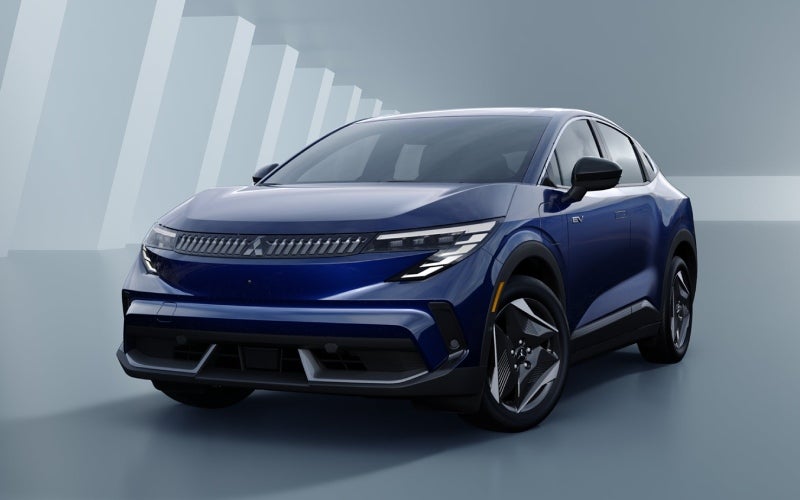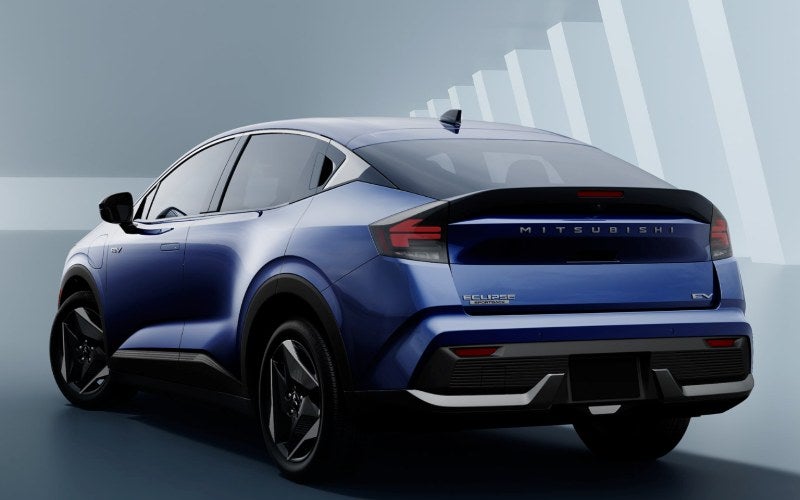



LaFontaine Mitsubishi Lansing - How does fast charging support the 2027 Mitsubishi Eclipse Sportback EV around Holt, MI?
Fast charging can make electric vehicle ownership feel far more practical for drivers around Holt, MI who want a daily-friendly EV without overcomplicating life. The 2027 Mitsubishi Eclipse Sportback EV is especially interesting because Mitsubishi states that this fully electric model will offer Level 1 and Level 2 charging, plus Level 3 charging access through the Tesla® Supercharger network. That combination gives shoppers several ways to keep the vehicle charged, whether the plan is to plug in at home overnight, use a public Level 2 station during a longer stop, or take advantage of DC fast charging when time matters.
For many in-market shoppers, the deeper question is not simply whether an EV can charge quickly. The real question is how fast charging fits into normal routines. A Holt-area driver may commute toward Lansing, run errands along busy local corridors, visit family across mid-Michigan, or plan occasional regional trips. In those situations, fast charging serves as a confidence builder. Most charging will still happen at home for many EV owners, but DC fast charging can help extend flexibility when the day does not go exactly as planned.
What makes Level 3 charging different?
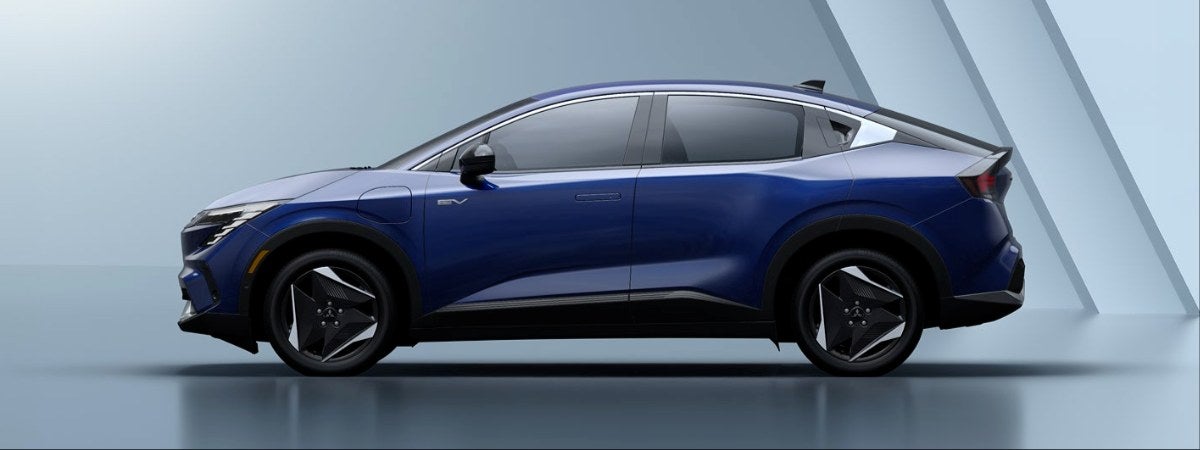
Level 3 charging, often called DC fast charging, is designed to add energy much faster than a standard household outlet or typical Level 2 charger. Provided information for the Eclipse Sportback EV references a NACS port on the right-front fender for DC fast charging, with fast charging capability of up to around 150 kilowatts and a 10 to 80 percent charge in about 35 minutes under ideal circumstances. Actual charging speed can vary, but this gives shoppers a useful benchmark for what fast charging is intended to do.
The important detail is that fast charging is usually most efficient in the middle portion of the battery range. Charging from a low state to around 80 percent is typically quicker than filling the final portion of the battery. That is why many EV road-trip plans focus on shorter charging stops rather than waiting for a full battery every time. For Eclipse Sportback EV shoppers, understanding this rhythm can make electric travel feel more natural.
How does Tesla® Supercharger network access help?
Mitsubishi states that the Eclipse Sportback EV will include Level 3 charging access through the Tesla® Supercharger network, the largest fast-charging network in North America. For shoppers comparing EVs, network access is a major ownership consideration. A vehicle with more fast-charging compatibility can give drivers more route options, more backup choices, and more confidence when traveling beyond familiar roads.
For Holt, MI drivers, this can be especially helpful because local life often blends short daily driving with periodic trips to surrounding communities. A driver might rarely need DC fast charging during a normal workweek, but the ability to use a broad fast-charging network can reduce stress before longer drives. It also helps when errands stack up, plans change, or a charging stop is needed between appointments.
Charging options in daily life
The Eclipse Sportback EV is not designed around fast charging alone. The strongest EV ownership experience usually comes from using the right charging method for the moment. Level 1, Level 2, and Level 3 charging each serve a different purpose, and understanding each one can help shoppers plan more confidently.
- Level 1 charging: Uses a standard household-style outlet and can be helpful for light daily mileage or backup charging needs.
- Level 2 charging: Uses 240-volt AC power and is commonly preferred for home charging, workplace charging, and many public charging stations.
- Level 3 charging: Uses DC fast charging and is best for adding range quickly during longer drives or busy days.
- Home routine: Plugging in at home can allow many drivers to start the day with the range needed for normal travel.
- Public flexibility: Public chargers can support errands, regional travel, and situations when home charging is not enough.
Provided details also reference a J-1772 port on the left-front fender for Level 2 AC charging and a portable charging cord with pigtails for both 240-volt and 120-volt outlets. That matters because charging flexibility is not only about speed. It is also about having options when plans change.
Battery preconditioning and why it matters
Another helpful EV detail is battery preconditioning. Provided information notes that entering a DC fast charger into the navigation as a destination can automatically precondition the battery pack for faster charging. Drivers can also tell the vehicle to precondition if navigation is not being used. This is a useful feature because battery temperature can affect how quickly an EV accepts energy.
In practical terms, preconditioning helps the battery get ready before reaching the charger. If a driver around Holt is heading toward a fast charger after a long day, using navigation can help the vehicle prepare for a more efficient charging session. It is one of those behind-the-scenes EV technologies that can make ownership feel smoother once the driver understands how to use it.
How far can the Eclipse Sportback EV go between charging stops?
Previewed information points to a projected 282-mile driving range for the 2027 Mitsubishi Eclipse Sportback EV. Range will vary based on speed, driving style, cargo, accessory use, temperature, elevation, and road conditions, but that projected figure gives shoppers a practical foundation. For most everyday driving around Holt, Lansing, and nearby communities, that range can cover multiple short trips before charging becomes necessary.
Range and charging speed work together. A useful projected range helps reduce the frequency of charging stops, while fast charging helps when extra range is needed quickly. That balance is what makes the Eclipse Sportback EV appealing to shoppers who want electric driving without feeling tied to one routine.
What should shoppers ask before buying?
Before choosing an EV, shoppers should think through both charging access and lifestyle fit. A knowledgeable sales professional can help review the details, but it is helpful to arrive with a few questions already in mind.
- Charging location: Where will the vehicle be charged most often during a normal week?
- Home setup: Is Level 2 charging practical at home, or will public charging be a bigger part of the plan?
- Driving distance: How many miles are driven on a typical day and during a busy week?
- Fast-charging use: Will DC fast charging be used mostly for travel, backup charging, or frequent top-offs?
- Technology comfort: Is the driver ready to use navigation, battery preconditioning, and charging apps as part of the routine?
These questions help connect the Eclipse Sportback EV’s capabilities to real ownership habits. A shopper who drives mostly local routes may prioritize home Level 2 charging. A driver with more regional travel may care more about Tesla® Supercharger network access and fast-charging route planning. Both shoppers can be a good fit, but the ideal charging routine may look different.
Frequently Asked Questions:
Should I use DC fast charging every day?
Most EV owners use Level 2 charging for routine charging and reserve DC fast charging for longer drives, time-sensitive stops, or days with heavier mileage. The best routine depends on driving needs, charging access, and guidance in the owner materials.
How long does fast charging take in the Eclipse Sportback EV?
Provided information references a 10 to 80 percent DC fast charge in about 35 minutes under ideal circumstances. Charging time can change based on charger output, battery temperature, battery state of charge, and other conditions.
Is Level 2 charging still important if fast charging is available?
Yes. Level 2 charging is often the most convenient daily solution, especially at home or work. Fast charging adds flexibility, while Level 2 charging supports predictable everyday use.
Why does the vehicle precondition the battery before fast charging?
Battery preconditioning helps prepare the battery for a faster and more efficient charging session. Using navigation to route to a DC fast charger can help the vehicle begin that process before arrival.
The 2027 Mitsubishi Eclipse Sportback EV gives Holt-area shoppers a thoughtful mix of practical range, multiple charging options, and access to a major fast-charging network. For drivers new to EV ownership, that combination can make the learning curve feel less intimidating. For current EV shoppers comparing options, the ability to use Level 1, Level 2, and Level 3 charging adds meaningful flexibility. With the right charging plan, this electric Mitsubishi can fit naturally into daily driving while still supporting longer trips when life calls for more range.