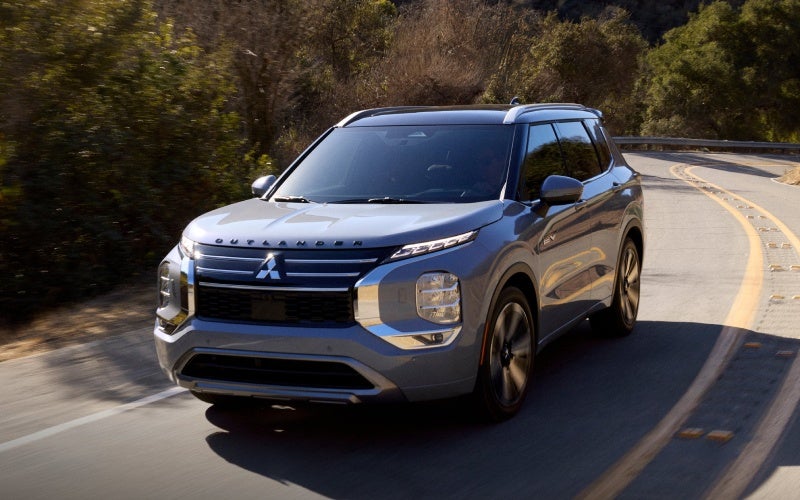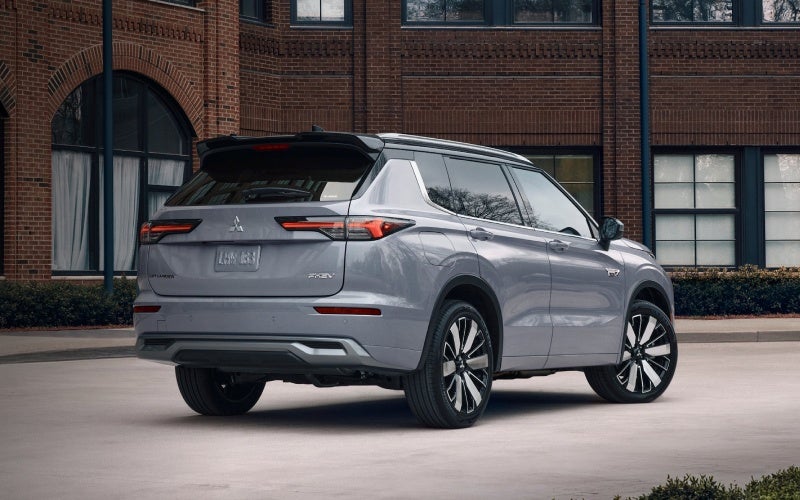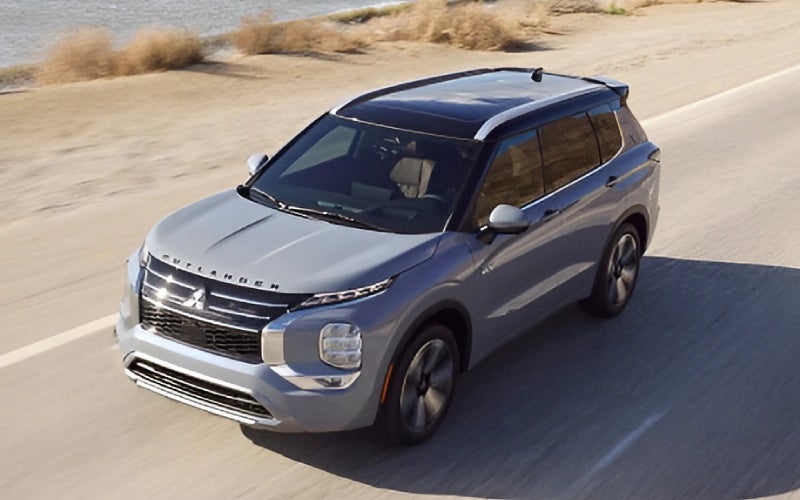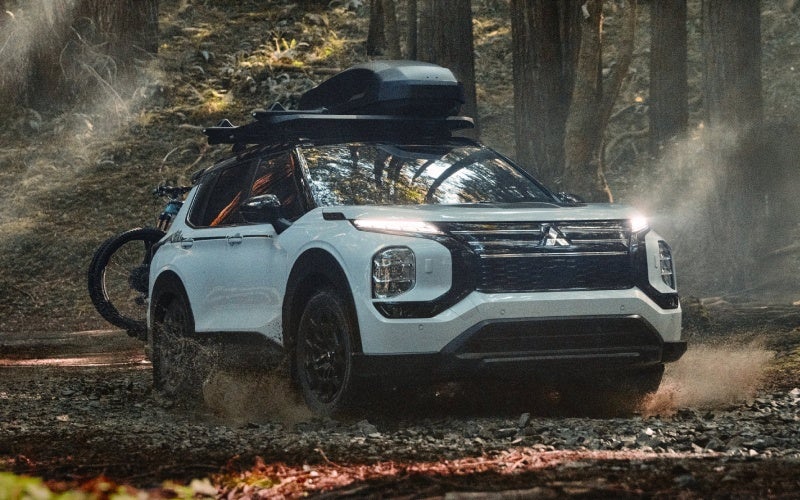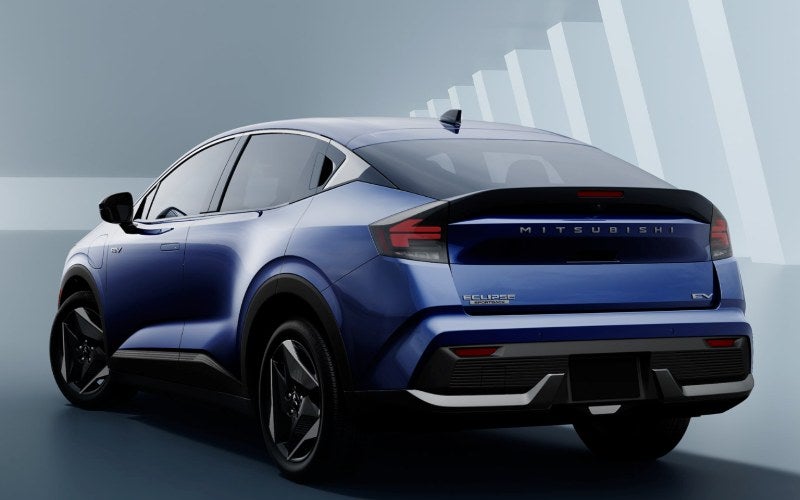


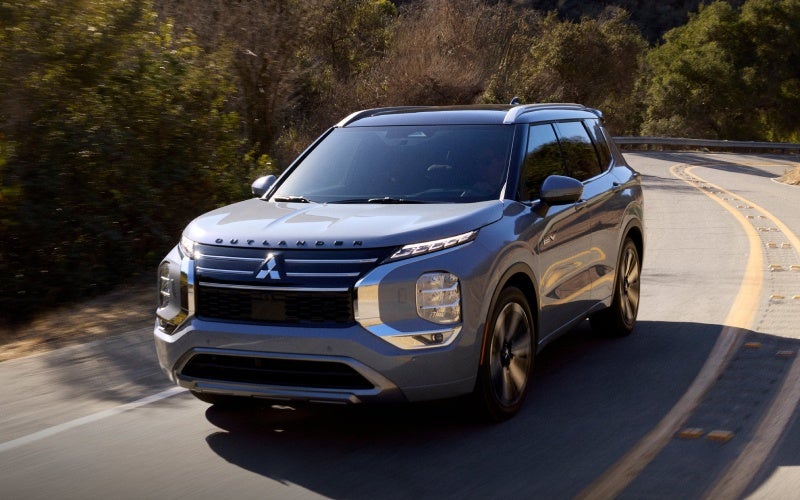
LaFontaine Mitsubishi Lansing - Can Grand Ledge, MI Drivers Use DC Fast Charging in the 2026 Outlander Plug-in Hybrid? Drivers around Grand Ledge, MI who are considering a plug-in hybrid SUV often want to know how charging will fit into daily life, especially when a vehicle offers both electric driving and gasoline-engine flexibility. The 2026 Mitsubishi Outlander Plug-in Hybrid gives shoppers a helpful mix of charging options, including 120V/240V Charging Capability across the lineup and DC Fast Charging Capability on select trims. That matters because charging confidence can influence how often a driver uses electric power, how easily longer routes feel, and which trim makes the most sense. The Outlander Plug-in Hybrid is designed around an electric-first experience, meaning it can handle many local trips using electric power while still offering the support of a 2.4L MIVEC DOHC 4-cylinder engine and twin electric motors. Mitsubishi lists up to 45 miles of electric-only driving and a best charging time of 29 minutes when using appropriate equipment and conditions. For someone traveling between Grand Ledge, Lansing, nearby shopping areas, school activities, or work locations, that electric-only capability can help reduce gas station stops while preserving the flexibility people expect from an SUV. How DC Fast Charging Fits a Plug-in Hybrid Lifestyle DC Fast Charging Capability is especially useful for drivers who want to add electric range during a shorter stop. While many plug-in hybrid owners primarily charge at home, DC fast charging can be a helpful option when running multiple errands, driving farther than usual, or wanting to restore battery capacity before returning to local streets. The advantage is not just speed - it is flexibility. A driver can use electric power more intentionally instead of saving it only for the beginning of the day. In the Outlander Plug-in Hybrid, charging is only one part of a broader efficiency strategy. The Drive Mode Selector allows drivers to switch among modes such as Normal, EV, Save, and Charge to help manage battery use. Save Mode is particularly helpful on faster roads because it can preserve remaining battery power for lower-speed routes later. That can be useful for Grand Ledge-area drivers who travel on highways or main corridors before entering neighborhoods, campuses, business districts, or school zones. Which 2026 Outlander Plug-in Hybrid Trims Include DC Fast Charging? Based on the OEM trim information provided, DC Fast Charging Capability is listed on SEL and SEL Premium Package models. These trims also include a strong mix of upscale comfort and convenience features, making them attractive for shoppers who want both enhanced charging flexibility and a more premium daily drive. The SEL trim includes 3-Zone Automatic Climate Control, Leather Appointed Seating Surfaces, Power Panoramic Sunroof, Rear Door Pull-up Sunshade, Rear Seat 1500W AC Outlet, Trunk 1500W AC Outlet, and MI-PILOT Assist w/ Navi-link. The SEL Premium Package adds features such as a 10.8" Head-Up Display (HUD), Digital Rearview Mirror w/ Rear Camera, Driver and Passenger Massage Seats, Dynamic Sound Yamaha® Ultimate with 12 speakers, and Semi-Aniline Premium Leather Seats (Brick Brown). For shoppers who spend significant time in the vehicle, these comfort and technology upgrades may make the Outlander Plug-in Hybrid feel more like a premium travel space than a conventional family SUV. ES: Includes 120V/240V Charging Capability, 20.0 kWh Lithium-Ion Drive Battery, 7 Passenger Seating, and Twin Motor S-AWC (Super-All Wheel Control). SE: Adds convenience upgrades such as Smartphone Wireless Charger, Multi-View Camera System, Hands Free Power Liftgate with Adjustable Height, and MI-PILOT Assist w/ Navi-link. SE Tech Package: Adds Power Panoramic Sunroof and Dynamic Sound Yamaha® Ultimate with 12 speakers. SEL: Adds DC Fast Charging Capability, 3-Zone Automatic Climate Control, Leather Appointed Seating Surfaces, and 1500W AC outlets. SEL Premium Package: Adds premium highlights including 10.8" Head-Up Display (HUD), massage seats, Digital Rearview Mirror w/ Rear Camera, and Semi-Aniline Premium Leather Seats (Brick Brown). Those trim differences are important because charging needs vary from driver to driver. A shopper who mainly charges overnight at home may be very satisfied with 120V/240V Charging Capability. A driver who wants additional public-charging flexibility may prefer SEL or SEL Premium Package because DC Fast Charging Capability gives more options away from home. Charging at Home Versus Charging on the Go Home charging is often the foundation of plug-in hybrid ownership. With 120V charging, many shoppers appreciate the simplicity of using a standard outlet, especially for routine overnight charging. With 240V charging, the process can be faster and more convenient for households that drive more miles each day. The Outlander Plug-in Hybrid’s 120V/240V Charging Capability gives owners room to choose the setup that best fits parking arrangements, driving habits, and charging expectations. Public charging serves a different purpose. It can support days when the schedule changes, when the vehicle has been used heavily, or when a driver wants to use more electric power before heading home. DC Fast Charging Capability on select trims makes that public-charging experience more convenient. It is not something every shopper will use every day, but for the right driver, it can make the plug-in hybrid ownership experience feel more adaptable. Why Electric-First Driving Feels Different The appeal of the 2026 Outlander Plug-in Hybrid is not limited to charging numbers. Electric driving changes the character of everyday trips. Acceleration feels smooth and immediate because electric motors deliver torque quickly. Low-speed travel is quiet and calm. The transition between electric and hybrid operation is designed to feel natural, so the vehicle can adapt without requiring constant driver attention. Regenerative Braking System (RBS) adds another layer of usefulness by converting kinetic energy into electricity when the driver lifts off the accelerator. This helps support battery charging while driving and can make the vehicle feel more controlled in stop-and-go situations. Paddle Shifters allow the driver to adjust the regenerative braking feel, adding a more engaged element to the drive. It is an efficient system, but it also makes the SUV more enjoyable to operate. S-AWC Adds Confidence Beyond Efficiency Charging capability may bring shoppers to the Outlander Plug-in Hybrid, but Twin Motor S-AWC (Super-All Wheel Control) is one of the reasons many drivers take it seriously as an everyday SUV. This system manages driving and braking forces to assist with acceleration, cornering, and braking. Around Grand Ledge, where daily driving can include neighborhood roads, rural connectors, school traffic, and highway stretches, that added sense of control is valuable. The Drive Mode Selector also includes modes such as Normal, Power, Eco, Tarmac, Gravel, Snow, and Mud, giving the driver more ways to tailor the vehicle’s response. While a plug-in hybrid powertrain supports efficiency, S-AWC supports confidence. Together, these systems make the Outlander Plug-in Hybrid feel more complete than a vehicle focused only on fuel savings. Frequently Asked Questions: Do all 2026 Mitsubishi Outlander Plug-in Hybrid trims have DC Fast Charging Capability? No. Based on the provided OEM trim information, DC Fast Charging Capability is listed on SEL and SEL Premium Package models. Other trims still include 120V/240V Charging Capability, which supports home and compatible Level 2 charging. Is DC fast charging necessary for daily driving? Not for every driver. Many plug-in hybrid owners rely mostly on home charging. DC Fast Charging Capability is most useful for shoppers who want more flexibility during busy days, longer routes, or public-charging stops. Can the 2026 Outlander Plug-in Hybrid charge while driving? Yes. The vehicle uses Regenerative Braking System (RBS), which helps convert kinetic energy into electricity while driving. The Drive Mode Selector also includes modes that can help manage battery use, including Save and Charge modes. Why choose a plug-in hybrid instead of a conventional hybrid? A plug-in hybrid can provide electric-only driving for many local trips while still offering a gasoline engine for longer travel. The 2026 Outlander Plug-in Hybrid also adds 7 Passenger Seating, Twin Motor S-AWC (Super-All Wheel Control), and available DC Fast Charging Capability, making it a practical choice for shoppers who want efficiency and flexibility. For Grand Ledge-area shoppers, the 2026 Mitsubishi Outlander Plug-in Hybrid makes charging approachable rather than intimidating. It offers home charging compatibility, available DC Fast Charging Capability, smart drive modes, regenerative braking, and hybrid backup for longer travel. That combination helps drivers use electric power more often while keeping the freedom and confidence of a traditional SUV. The best way to decide whether DC Fast Charging Capability is worth prioritizing is to think through a normal week. Consider commute distance, parking access, public charging convenience, passenger needs, and how often longer drives occur. From there, comparing trims becomes much easier. The Outlander Plug-in Hybrid gives shoppers room to choose a version that fits both current routines and future driving goals. Request more 2026 Mitsubishi Outlander Plug-In Hybrid information
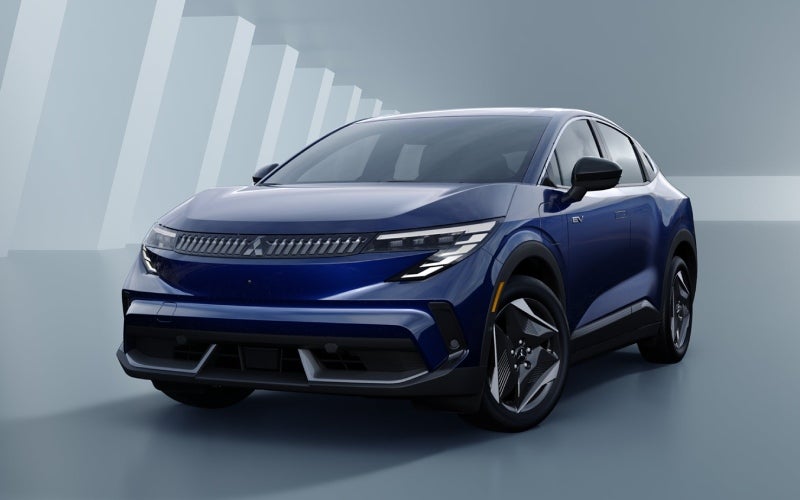
How Easy Is Charging the 2027 Mitsubishi Eclipse Sportback EV for East Lansing, MI Drivers?
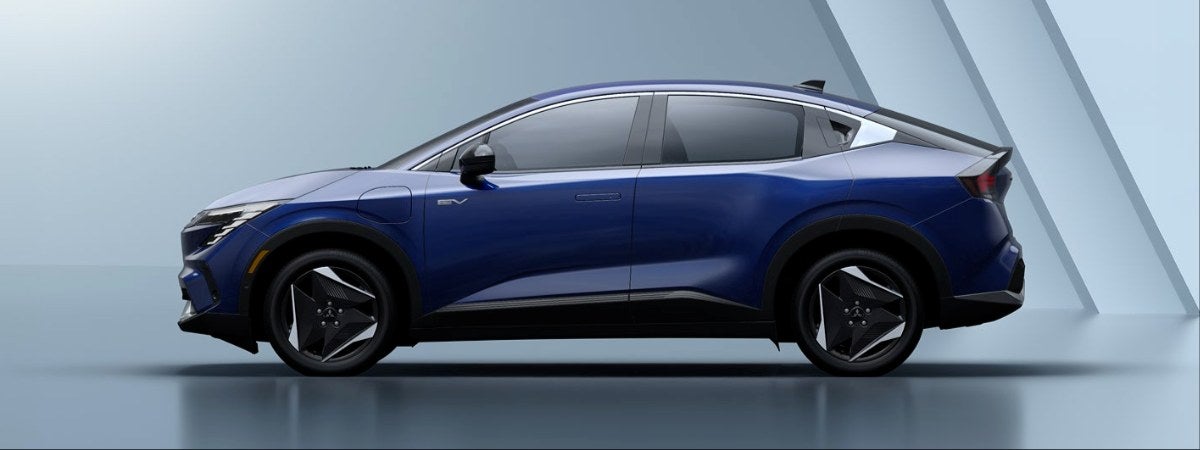
LaFontaine Mitsubishi Lansing - How Easy Is Charging the 2027 Mitsubishi Eclipse Sportback EV for East Lansing, MI Drivers? Charging the 2027 Mitsubishi Eclipse Sportback EV is designed to feel approachable for drivers who want the benefits of electric travel without turning vehicle ownership into a complicated project. For East Lansing, MI shoppers, that matters because daily driving can include short campus-area trips, commutes toward Lansing, errands around Okemos, and regional routes that require a vehicle to be flexible. The Eclipse Sportback EV helps answer those needs with access to Level 1, Level 2, and Level 3 charging, including Level 3 access through the Tesla® Supercharger network. The larger question is not simply whether an EV can be charged. The better question is how charging fits into your life. Some drivers can plug in at home overnight. Others may rely on workplace charging, public stations, or fast charging during longer trips. The 2027 Mitsubishi Eclipse Sportback EV supports several approaches, which helps make it a practical choice for a wide range of shoppers. Its projected 282-mile range also gives many drivers room to go several days between charging sessions, depending on driving habits and route length. What Charging Options Does the Eclipse Sportback EV Support? OEM information states that the 2027 Mitsubishi Eclipse Sportback EV offers access to Level 1 and Level 2 charging, along with Level 3 charging through the Tesla® Supercharger network. That mix is important because each charging level serves a different purpose. Level 1 is the most basic option and can be useful for light daily driving or backup charging. Level 2 is the preferred home charging solution for many EV owners because it is faster and more convenient for routine overnight charging. Level 3 DC fast charging is best for adding range quickly during longer drives or busier travel days. Provided information also describes a split charge-port strategy. A NACS port is used for DC fast charging, while a J-1772 port supports Level 2 charging. This gives the vehicle compatibility with common charging setups and helps simplify public charging decisions. The Eclipse Sportback EV is also noted as having a portable charging cord with pigtails for both 120-volt and 240-volt outlets, which can be helpful for drivers building a charging routine from the ground up. How Home Charging Fits Daily Life For many EV shoppers, home charging is the biggest ownership advantage. Instead of visiting a fuel station, you can plug in when the vehicle is parked and begin the next drive with added range. East Lansing, MI drivers who have a garage, driveway, or assigned parking with charging access may find Level 2 home charging especially convenient. Supplied information notes that the onboard charger is capable of 7.2 kilowatts, and a Level 2 setup can help the battery move from 20 to 80 percent in roughly 6.5 hours under the referenced conditions. That kind of routine can work well for a driver who parks overnight and wants the vehicle ready for a morning commute. It can also be useful for households that run several short trips in a day. Rather than thinking about charging as a separate errand, home charging turns it into a background habit. You drive, park, plug in, and let the vehicle prepare for the next outing. Understanding Public and Fast Charging Public charging can add flexibility for drivers who do not charge at home every night or who plan longer drives beyond the local area. Level 2 public charging is often useful when the vehicle will be parked for a while, such as during shopping, dining, appointments, or work. DC fast charging is designed for quicker stops. Provided information indicates that DC fast charging can charge the battery from 10 to 80 percent in about 35 minutes under ideal circumstances, with charging performance affected by conditions such as battery temperature, station capability, state of charge, and vehicle settings. The Eclipse Sportback EV also supports smart trip preparation. Supplied details note that entering a DC fast charger into the navigation as a destination can automatically precondition the battery pack for faster charging. If navigation is not being used, the driver can tell the vehicle to precondition itself. Battery preconditioning is an important EV feature because a battery at the right temperature can accept power more effectively during fast charging. Charging Habits That Make EV Ownership Easier The best EV experience usually comes from developing simple habits. You do not need to charge to full every day, and you do not need to wait until the battery is nearly empty before plugging in. Many drivers prefer to keep the battery within a comfortable range for daily travel, then use fast charging when longer routes call for it. The projected 282-mile range of the Eclipse Sportback EV gives drivers useful flexibility, but a good charging routine makes that range feel even more convenient. Here are practical charging habits to consider before choosing the Eclipse Sportback EV: Plan your main charging location: Decide whether home, work, public stations, or a combination will support most of your driving. Use Level 2 when possible: Level 2 charging is often the most convenient routine for overnight charging and regular EV ownership. Save DC fast charging for longer days: Fast charging is helpful during road trips, packed schedules, or days when you need range quickly. Precondition before fast charging: Use navigation-based battery preconditioning when heading to a DC fast charger to support efficient charging. Think in weekly mileage: Compare your typical weekly driving to the projected 282-mile range to estimate how often charging may be needed. These habits can help shoppers move from uncertainty to confidence. Charging is less about changing your whole life and more about adjusting a few routines. Once those routines are in place, an EV can feel very natural to own. Why the Eclipse Sportback EV Is a Strong First-EV Candidate The 2027 Mitsubishi Eclipse Sportback EV is appealing for first-time EV shoppers because it pairs charging flexibility with everyday practicality. It is not oversized, so it should feel manageable in parking lots, neighborhoods, and busy local streets. It also brings instant electric torque, a quiet cabin, and a modern digital layout with a 14.3-inch digital instrument cluster and a 14.3-inch center touchscreen described in the supplied information. Android Auto and Apple CarPlay are standard, which helps keep familiar smartphone functions close at hand. Beyond charging, the vehicle supports daily usefulness with available and standard equipment that can matter long after the first drive. Supplied details cite heated front and rear seats, a heated steering wheel, 18-inch alloy wheels, front and rear automatic emergency braking, an around-view monitor function, and two 120-volt outlets for powering compatible small equipment. The available Technology package adds amenities such as a panoramic glass roof with electrochromic dimming, a power liftgate, a 10-speaker Bose premium audio system, and roof rails. Questions to Ask Before Setting Up Your Charging Routine Before moving forward, shoppers should take a practical look at parking, electrical access, and driving needs. A salesperson can explain vehicle features, but your charging plan works best when it reflects your real schedule. East Lansing, MI drivers may have different needs depending on whether daily life centers on apartment parking, a single-family home, a workplace lot, or public charging near common routes. Where will the vehicle park most often: Identify the location where overnight or extended charging is most realistic. Is Level 2 installation possible: If you own your home, ask an electrician about 240-volt charging options. What public chargers are near common routes: Look for stations close to work, shopping, family, or frequent destinations. How often do longer drives happen: Estimate whether DC fast charging would be an occasional tool or a regular part of ownership. Which features support charging confidence: Review navigation, battery preconditioning, charge ports, and portable charging equipment. Answering these questions before a test drive can make the shopping experience more productive. You can focus on how the vehicle feels, how the displays work, and how the charging features support your lifestyle instead of trying to learn everything at once. Frequently Asked Questions: Can the 2027 Mitsubishi Eclipse Sportback EV use fast charging? Yes. OEM content confirms Level 3 charging access through the Tesla® Supercharger network. Provided details also describe a NACS port for DC fast charging, with charging from 10 to 80 percent in about 35 minutes under ideal circumstances. Is Level 2 charging important for daily ownership? Level 2 charging is often the most convenient option for daily EV ownership because it can add significant range while the vehicle is parked for several hours. For many drivers, a Level 2 home setup makes the EV routine feel simple and predictable. Does the Eclipse Sportback EV help prepare the battery for fast charging? Yes. Provided information notes that entering a DC fast charger into the navigation as a destination automatically preconditions the battery pack for faster charging. Drivers can also tell the vehicle to precondition if navigation is not being used. How should I decide if EV charging will fit my life? Start with your weekly mileage, parking setup, and access to home, work, or public charging. Then compare those needs with the Eclipse Sportback EV’s projected 282-mile range and charging options. A focused test drive and charging conversation can help you decide with confidence. The 2027 Mitsubishi Eclipse Sportback EV makes charging feel like a planned part of ownership rather than a barrier. With Level 1, Level 2, and Level 3 access, a projected 282-mile range, battery preconditioning support, and useful everyday technology, it gives East Lansing, MI shoppers a practical path into electric driving. For drivers ready to explore an EV that feels modern, manageable, and useful, the Eclipse Sportback EV is worth a careful look. Request more 2027 Mitsubishi Eclipse Sportback EV information