


Proud Partner of
Michigan State Athletics
Why the 2025 Outlander Plug-In Hybrid SEL Black Edition Is a Smart Choice for East Lansing, MI Drivers
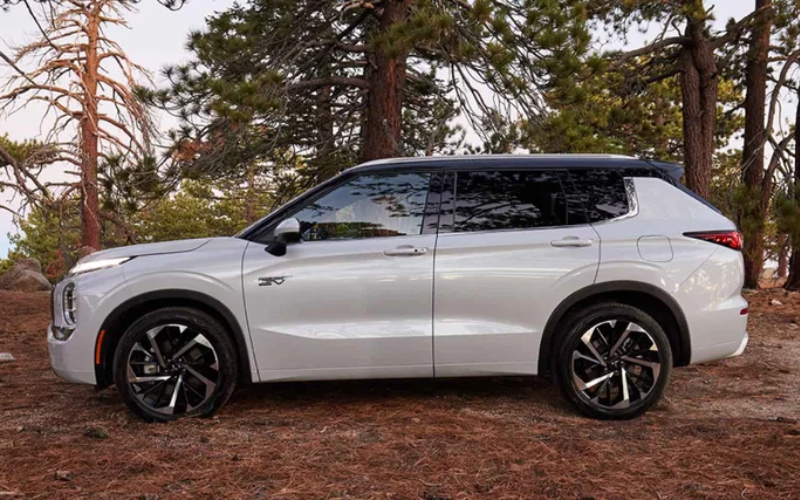
LaFontaine Mitsubishi Lansing – Why the 2025 Outlander Plug-In Hybrid SEL Black Edition Is a Smart Choice for East Lansing, MI Drivers
If you spend a lot of time navigating Grand River Avenue, darting between campus and downtown, or squeezing into tight parking near local eateries, the 2025 Outlander Plug-In Hybrid SEL Black Edition delivers a balanced answer: upscale, efficient, and poised to handle quick-changing daily plans. It keeps the proven versatility of a three-row SUV, adds an all-electric range for local driving, and dresses the package in distinctive blacked-out style. Underneath the look, twin-motor Super All-Wheel Control (S-AWC) works with seven selectable drive modes to help you feel planted on wet pavement, gravel cut-throughs, or tight neighborhood turns. With 38 miles of all-electric range, many East Lansing trips run on battery power alone, while long days are covered by the hybrid system’s extended total range. Add in available MI-PILOT Assist™ to help with lane centering and adaptive cruise capability, and you’ve got a calm, confident experience for I-496 merges or weekend drives out to area parks.
Inside, the SEL Black Edition builds on the SEL’s premium cabin and adds an exclusive, dramatic finish. Black semi-aniline premium leather-appointed seats elevate every mile, and a power panoramic sunroof brightens the interior when you want a more open feel. Tri-zone climate control lets each row settle in at a preferred temperature, while the 12.3-inch Full Digital Driver Display keeps key data right in view. An available Bose® premium audio system with 9 speakers brings clarity to podcasts and playlists, and smartphone integration makes it simple to bring your apps along — Apple CarPlay® and Android Auto™ connect your everyday. When plans change mid-day, it’s easy to top up: overnight Level 2 charging handles routine needs, and a quick DC fast charge can take you to approximately 80% in about 38 minutes when you’re on the go. That flexibility matters when your week swings from campus commutes to grocery runs to a last-minute drive to a trailhead.
Where the SEL Black Edition stands apart is how it blends that efficiency and capability with styling that feels custom. The black dynamic shield, black chrome window trim, and black roof rails pair with the SUV’s muscular stance for a look that’s cohesive and modern without being flashy. It’s the kind of design that reads premium in the parking structure and purposeful on your favorite back road. And unlike trend-chasing packages, the SEL Black Edition starts with core engineering advantages — twin-motor S-AWC traction and seven drive modes — so the confidence is baked in as standard, not tacked on as an afterthought. If you’re weighing whether you’ll miss a larger engine, the smoothness of the electric motors and the hybrid system’s total range help the Outlander Plug-In Hybrid feel strong and responsive in daily driving.
For East Lansing drivers balancing school schedules, office commutes, and kid drop-offs, the utility story is just as practical. Three-row seating gives you flexible space for carpool days or extra cargo, and with available heated front and rear seats, comfort doesn’t stop in the first row. The SEL Black Edition’s cabin materials hold up to daily use while looking appropriately upscale for dinner downtown. Add MI-PILOT Assist™ to ease long stretches on US-127, and you’ll find the SUV takes the edge off routine travel so you arrive more relaxed. When it’s time for a weekend crossover to nearby trails, S-AWC and the Gravel or Mud modes help fine-tune traction where the pavement ends.
- Everyday electric flexibility: 38 miles of all-electric range handles many East Lansing trips without gas.
- Charging that fits your routine: Level 2 at home for overnight charging; DC fast charging to about 80% in roughly 38 minutes when needed.
- Confident traction: Twin-motor S-AWC with seven drive modes helps on wet roads, gravel shortcuts, and tight turns.
- Premium comfort: Black semi-aniline premium leather-appointed seats, available Bose® 9-speaker audio, and a power panoramic sunroof.
- Smart assistance: Available MI-PILOT Assist™ supports lane centering and adaptive cruise tasks on longer drives.
Ownership confidence reaches beyond the drive. Mitsubishi Motors Confidence — the integrated care program for 2025 models — includes a long-term Powertrain Limited Warranty, Roadside Assistance, and scheduled maintenance coverage for early service intervals. That level of backing underscores the brand’s decades of EV development and commitment to practical electrified driving. For drivers just starting with plug-in ownership, the Outlander Plug-In Hybrid’s dual charging options and intuitive energy displays make it easy to build an everyday routine that fits your home setup and driving patterns. And because the SEL Black Edition’s upgrades are focused where you’ll feel them — seating, ambiance, visibility, and audio — the value carries through every mile.
When you’re ready to try the SEL Black Edition, schedule a drive that includes a mix of East Lansing streets, a highway merge, and a short detour on less-than-perfect pavement to get a sense of how S-AWC and the plug-in powertrain work together. Bring your devices, queue your playlists, and test out Apple CarPlay® or Android Auto™ while you’re at it. If you plan to charge at home, we can talk through Level 2 installation basics and point you to public DC fast-charging options nearby so you know what’s available on longer days.
If you want a premium, electrified SUV that fits the rhythm of your week with room to grow, the SEL Black Edition is an easy trim to love. It stands out for its look, it fits real family life, and it keeps spreadsheets happy with all-electric miles for local driving. When you need help comparing trims or choosing accessories, LaFontaine Mitsubishi Lansing is here to guide you — serving East Lansing, Okemos, and DeWitt — and we’ll tailor your test drive to your everyday routes so you can make a confident decision.
Frequently Asked Questions:
How far can the Outlander Plug-In Hybrid drive on electricity alone?
The 2025 model offers up to 38 miles of all-electric range on a full charge, which covers many local trips without using gas.
How fast can I charge when I’m away from home?
Using DC fast charging, you can add power from low to approximately 80% in about 38 minutes, making it convenient to top up during longer outings.
Does the SEL Black Edition include three rows?
Yes. Like other trims, it offers seating for up to seven with flexible cargo configurations for daily errands or weekend gear.
What helps the Outlander Plug-In Hybrid feel stable in changing conditions?
Twin-motor Super All-Wheel Control (S-AWC) and seven selectable drive modes work together to help enhance traction and control across a range of surfaces.
*Image may not be actual model
Request more 2025 Mitsubishi Outlander Plug-In Hybrid information
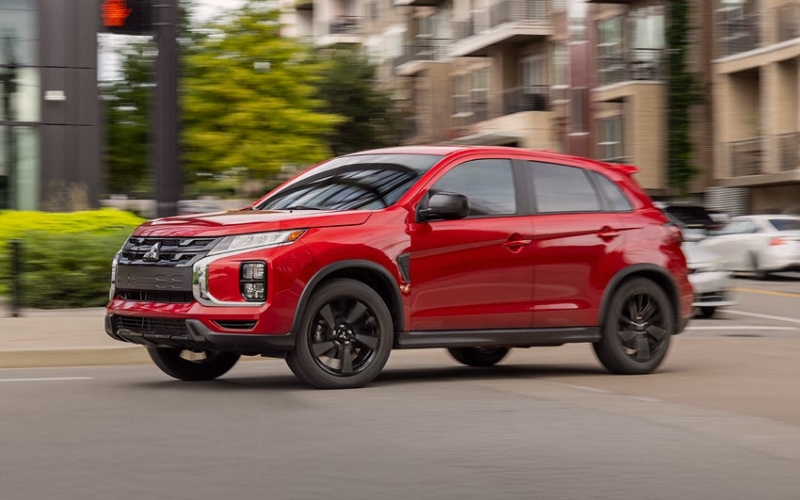
LaFontaine Mitsubishi Lansing – Why the 2026 Outlander Sport LE Is the Right Fit for Jackson, MI Commuters
If you split your days between neighborhood errands and regular hops along I-94 or M-60, the Outlander Sport LE delivers the right mix of confidence, comfort, and connected tech. This trim stands out with 18-inch black painted alloy wheels, black side mirrors, and red-stitched interior accents that make the cabin feel a step above — without pushing you into features you may not use. Since All-Wheel Control (AWC) is standard, traction feels consistent through wet intersections, uneven side streets, and those occasional gravel stretches as you head out of town. The 2.0L MIVEC engine and CVT keep things smooth and predictable while you focus on the road and traffic around Jackson, MI.
Inside, the 8.0-inch Smartphone-Link Display Audio with Apple CarPlay® and Android Auto ties your day together. Whether it is directions to a game at the high school, a coffee stop downtown, or a quick detour to a trailhead, your maps and playlists are right there. Two front USB ports plus rear USB ports — including both Type-A and Type-C — mean everyone’s charged for the ride. Heated front seats and automatic climate control meet you with comfort. And with LED low and high beam headlights, LED Daytime Running Lights, and LED fog lights, visibility stays crisp from early starts to late returns.
The LE trim’s real advantage is how it balances everyday needs with meaningful upgrades. You get the must-have safety tech — Forward Collision Mitigation (FCM) with Pedestrian Detection, Lane Departure Warning (LDW), Automatic High Beam (AHB), seven airbags, and RISE body construction — without overcomplicating the drive. Steering Wheel Voice Recognition Control lets you keep hands on the wheel and eyes ahead, and the leather-wrapped steering wheel, shift knob, and parking brake with red stitching add a satisfying, performance-inspired feel you notice every time you sit down.
From a commuter’s lens, the LE removes friction from your day. The ride is settled and confident thanks to a suspension tuned for Michigan roads, the seating position makes it easy to see traffic gaps, and the compact footprint helps with tight street parking near local shops. When you do need space, the 60:40 rear seat and up to 49.5 cu ft of cargo volume accommodate grocery runs, small furniture pickups, or sports gear without fuss. And rear privacy glass keeps your items out of sight.
Who should choose the LE? If you want your compact SUV to feel a bit more special without going overboard, this trim hits the mark. The design cues read bolder, the heated seats elevate comfort, and the extra USB ports keep your cabin organized and ready. The tech suite stays practical and familiar, and AWC remains the foundational advantage for variable road surfaces around town.
How does the LE compare with other Outlander Sport trims for Jackson, MI buyers? The S model nails the essentials — it’s a wise pick for value seekers. The ES brings 18-inch two-tone wheels and LED fog lights for a more confident stance. The RALLIART edition is for those who want unmistakable motorsport styling, complete with distinctive graphics and trim. The LE sits in the sweet spot between everyday utility and elevating touches you’ll appreciate for years.
- AWC traction, every day: Standard All-Wheel Control delivers confident starts and steady tracking on busy Jackson corridors and side streets.
- Comfort that matters: Heated front seats and automatic climate control keep your routine calm from school drop-offs to evening errands.
- Connected without clutter: An 8.0-inch interface with Apple CarPlay® and Android Auto anchors navigation, calls, and music with a simple, familiar layout.
- Purposeful style: 18-inch black painted alloy wheels and red-stitched cabin details bring a refined, athletic look that still reads professional.
- Safety you can trust: FCM with Pedestrian Detection, LDW, AHB, seven airbags, and RISE body construction build peace of mind into every trip.
For shoppers mapping out a test drive, think through these checkpoints to evaluate fit for your life.
- Steering and visibility: Check how naturally the LE points into turns along your typical route and whether the seating position gives you the clarity you expect.
- Ride quality over imperfections: Include a stretch with potholes or patched pavement to feel how the suspension manages harsh inputs.
- Cabin ergonomics: Make sure the controls, heated seat switches, and USB ports fall exactly where you want them.
- Parking confidence: Slip into a tight downtown space to test turning radius and sightlines.
- Cargo flexibility: Fold the rear seat and load a couple of boxes or gear bags to confirm height and length meet your needs.
Frequently Asked Questions:
Is All-Wheel Control standard on the Outlander Sport LE?
Yes, AWC is standard on every Outlander Sport trim, including the LE.
Does the LE add unique interior features?
Yes — the LE brings black seating with red stitching, a leather-wrapped steering wheel, shift knob, and parking brake with red stitching, heated front seats, and additional USB ports including rear Type-A and Type-C.
What infotainment features will I use most?
Most Jackson, MI drivers rely on the 8.0-inch Smartphone-Link Display Audio with Apple CarPlay® and Android Auto for maps, calls, and streaming, backed by HD Radio® and a SiriusXM® trial.
How does the LE handle traffic and daily commuting?
The 2.0L MIVEC and CVT keep acceleration smooth, AWC builds traction confidence, and the compact footprint helps with quick lane changes and parking near downtown spots.
When you are ready to test the Outlander Sport LE, visit us at LaFontaine Mitsubishi Lansing — serving Jackson, Holt, and Grand Ledge — to compare trims side by side. We will help you map a test route that mirrors your daily drive so you can assess the LE’s visibility, traction, and ride on familiar roads. If you want a confident, right-sized SUV with the style and comforts you will actually use every day, the LE makes a strong, practical case.
*Image may not be actual model
Request more 2026 Mitsubishi Outlander Sport information
Why the 2026 Eclipse Cross SEL Touring S-AWC Is a Smart Pick for East Lansing, MI Commuters
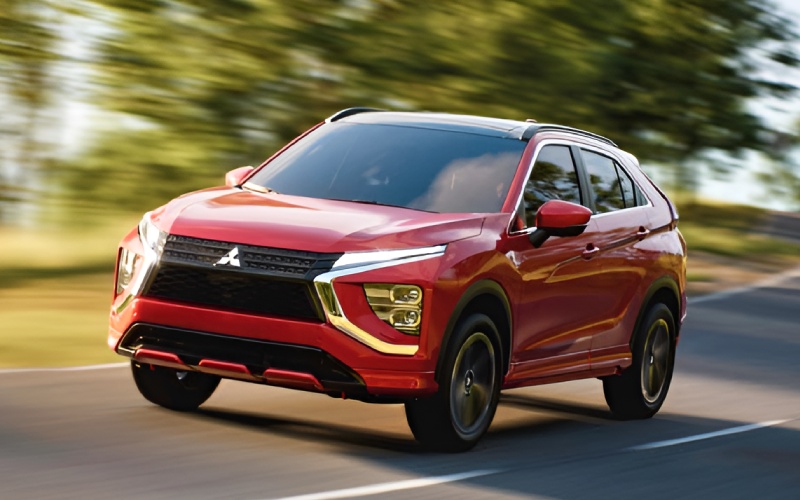
LaFontaine Mitsubishi Lansing – Why the 2026 Eclipse Cross SEL Touring S-AWC Is a Smart Pick for East Lansing, MI Commuters
The 2026 Mitsubishi Eclipse Cross SEL Touring S-AWC is built for daily life across East Lansing, MI—especially if your routine includes a mix of surface streets near campus and quick jumps onto I-496 or US-127. This trim elevates the compact SUV experience with premium comfort, intuitive technology, and standard Super-All Wheel Control (S-AWC), giving you the kind of sure-footed confidence that turns hectic commutes into calm, predictable drives. It is not just about having more features; it is about the right features that earn their keep every time you start the engine.
Inside, Leather Appointed Seating Surfaces and an 8-Way Power Adjustable Passenger Seat mirror the driver’s adjustability, so both front occupants settle in quickly for longer stretches up Grand River Avenue. A Heated Steering Wheel and straightforward controls reduce the small distractions that can add up in stop-and-go traffic. Visibility and maneuvering are strong suits too: the Multi-View Camera System helps with angled parking near downtown and tight garage ramps, and LED lighting provides bright, even illumination when you are navigating evening events or late pickups. Paddle Shifters give you an extra layer of control on two-lane merges or when you want to hold a gear on a rolling back road.
What sets this trim apart is how cohesively it all works. The FAST-Key Entry System with Push Button Start makes quick coffee stops effortless, the Handsfree Power Tailgate is a genuine time-saver when you are juggling bags, and the Rear USB Port keeps devices ready to go for your next meeting. Super-All Wheel Control (S-AWC) comes standard, so traction and stability are built in—useful when roads are wet or dusty, or when pavement quality varies block to block. You feel the vehicle settle and respond predictably, which is exactly what you want in urban and suburban traffic around East Lansing.
Mitsubishi Connect with Safeguard And Remote Services (24-Month Trial, Enrollment Required) brings practical tech into your routine. Remote status checks, emergency assistance features, and app-enabled conveniences can be invaluable when your schedule is tight and you prefer to keep surprises to a minimum. Combined with the SEL Touring’s premium touches, this smart connectivity rounds out an SUV that is not just pleasant to sit in—it is easy to live with.
To help narrow your decision, here is a focused look at why the SEL Touring S-AWC trim earns a top spot on your list if you drive in and around East Lansing:
- Confidence in mixed traffic: S-AWC manages traction proactively, helping the vehicle feel composed across changing surfaces and quick lane changes near campus corridors.
- Premium comfort without complication: Leather Appointed Seating Surfaces and heated controls add daily ease, while controls remain intuitive and distraction-light.
- Visibility where it matters: The Multi-View Camera System is especially useful in tight downtown lots and during parallel parking along busier streets.
- Convenience that adds real value: FAST-Key Entry, Push Button Start, and a Handsfree Power Tailgate simplify errands and after-work stops.
- Useful, approachable tech: Mitsubishi Connect with Safeguard And Remote Services enhances everyday awareness with remote access and safety features.
For many commuters, the alternative is choosing between an SUV that is comfortable and one that feels confident. The 2026 Mitsubishi Eclipse Cross SEL Touring S-AWC does both. It avoids gimmicks and doubles down on the features that matter. Around East Lansing, where your day can swing from faculty meetings to a soccer practice across town, that balance pays off. The trim’s thoughtful design details—like padded touchpoints, supportive seating, and a quiet cabin—reduce fatigue, while the traction and camera systems earn their keep when traffic packs in or parking is tight.
If you are cross-shopping within the Eclipse Cross lineup, the SEL Touring stands out over lower trims for its comprehensive comfort and visibility upgrades. Compared with the SE family, you get Leather Appointed Seating Surfaces, that extra 8-Way Power Adjustable Passenger Seat, the Multi-View Camera System, and the heated steering wheel—each of which makes a difference when you are clocking real miles every week. There is no learning curve here either; the controls are straightforward and logically placed, so your first drive feels familiar rather than fussy.
We also recommend thinking about regular errands across Meridian Township, where a Handsfree Power Tailgate and FAST-Key Entry can trim minutes off your routine. If you often navigate the roundabouts off Okemos Road or duck into busier shopping centers, the SEL Touring’s camera coverage and lighting help you stay ahead of surprises. Those small moments add up to a calmer, more controlled experience behind the wheel.
If you want a compact SUV that makes a real impact on everyday driving—rather than just collecting features—the 2026 Mitsubishi Eclipse Cross SEL Touring S-AWC is well worth a close look. LaFontaine Mitsubishi Lansing can walk you through the finer points and set up a drive that mirrors your real-world route, serving East Lansing, Okemos, and DeWitt with the guidance and time you need to make the right call.
Frequently Asked Questions:
What driver-assistance features stand out on the SEL Touring S-AWC?
The Multi-View Camera System is a highlight for tight parking and low-speed maneuvering, and standard safety like Forward Collision Mitigation (FCM) with Pedestrian Detection and Blind Spot Warning (BSW) with Lane Change Assist (LCA) adds layered awareness on busy roads.
Is Super-All Wheel Control (S-AWC) standard on the SEL Touring?
Yes. S-AWC is standard on every 2026 Eclipse Cross trim, including the SEL Touring, so you always benefit from confident traction and stability.
How does Mitsubishi Connect help in daily use?
Mitsubishi Connect with Safeguard And Remote Services (24-Month Trial, Enrollment Required) supports remote status checks, emergency assistance, and app-enabled convenience—useful when your schedule is full and you want quick, reliable access to vehicle information.
What comfort upgrades does the SEL Touring include?
Leather Appointed Seating Surfaces, an 8-Way Power Adjustable Passenger Seat, a Heated Steering Wheel, and refined cabin materials contribute to an upscale feel that reduces fatigue on longer commutes.
*Image may not be actual model
Request more 2026 Mitsubishi Eclipse Cross information
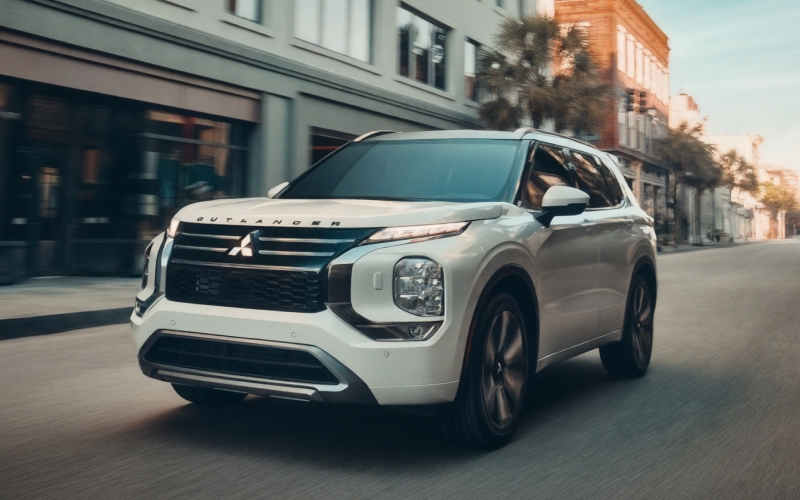
LaFontaine Mitsubishi Lansing – Why the 2026 Outlander SE Tech Package Fits Daily Driving in East Lansing, MI
The 2026 Outlander SE Tech Package is built for the rhythm of East Lansing, where campus traffic, neighborhood streets, and quick drives across town often happen in the same commute. It enhances the already capable SE with a panoramic sunroof that brightens every row, a 12.3-inch full digital driver display that streamlines your view of key information, and Dynamic Sound Yamaha® Ultimate with 12 speakers that turns routine drives into gratifying listening sessions. It is the smart middle path—more premium and more connected—without drifting into features you may never use.
Start with the foundation. The Outlander SE delivers 7-passenger seating, a 40:20:40 split-folding second row, and an intuitive center stack anchored by a 12.3-inch Smartphone-link Display Audio with Navigation. Wireless Apple CarPlay® and wireless Google Android Auto® remove cable clutter. The Multi-View Camera System simplifies tight maneuvers along Grand River Avenue or in busy campus lots, and the Power Liftgate with adjustable height helps in garages with low clearance. The SE Tech Package keeps these benefits intact and then layers in meaningful tech upgrades that make each mile smoother and more rewarding.
Audio is the most noticeable leap. Dynamic Sound Yamaha® Ultimate does more than increase speaker count—it brings concert-hall tuning principles to a family SUV. Dedicated midrange drivers across the dash clarify vocals and instruments, dual amplifiers sharpen fidelity, and door panel reinforcement further reduces unwanted resonance. Yamaha’s thoughtful tuning extends to real-world listening, with Speed Compensated Volume, Rain Compensated Volume, and Air-Conditioner Compensated Volume preserving clarity as speed fluctuates, wipers engage, or cabin airflow changes. Multiple Listening Position options and distinct sound presets let you tune playback to your mood and your seat.
The 12.3-inch full digital driver display that comes with the SE Tech Package complements the infotainment system by putting navigation cues, driver-assistance alerts, and vehicle data directly in view. It reduces glance time, supports better focus, and adds a modern aesthetic you’ll notice every time you start the vehicle. The panoramic sunroof is equally impactful, especially for rear passengers. Natural light reduces cabin fatigue and gives every row an open, airy feel—ideal for after-school carpools, team drop-offs, or quick trips to the farmers market.
Need traction confidence? Pair your SE Tech Package with available S-AWC and enjoy selectable drive modes that adapt to pavement, gravel, or light trails outside the city. The system helps maintain stability when grip is inconsistent, while the Outlander’s well-tuned suspension keeps ride quality composed over imperfect surfaces. Together, they give you the right kind of capability for Greater Lansing—confident, predictable handling without adding complexity to your daily drive.
Safety is comprehensive, which means peace of mind whether you’re merging onto I-496 or navigating a school pickup lane. The Outlander lineup includes 11 airbags and advanced driver-assistance features such as Forward Collision Mitigation with Pedestrian Detection, Blind Spot Warning with Lane Change Assist, Rear Cross Traffic Alert, Rear Parking Sensors, and Rear Automatic Emergency Braking. In practice, these systems assist with the busy, stop-and-go nature of city streets while supporting better awareness in crowded lots. Add the Multi-View Camera System, and close-quarters confidence becomes a daily habit.
Practicality remains a strong suit. With all seats in place, there is useful room behind the third row for daily essentials. Fold the third row for a flat load floor on grocery runs, home projects, or sports gear. The second row’s 40:20:40 split lets you carry longer items down the middle while keeping outboard seats available. It is a layout that respects how families juggle passengers and cargo day by day.
Mitsubishi Connect with Safeguard And Remote Services and a complimentary 24-month trial (mobile app enrollment required) adds thoughtful convenience. From your phone, you can check vehicle status, lock or unlock doors, and use remote functions that make life easier when plans change or hands are full. Inside, the smartphone wireless charger declutters the console, while premium surface materials and soft-touch details reinforce the SE Tech Package’s upscale feel.
For many East Lansing drivers, the SE Tech Package simply strikes the “just right” balance: better audio, a more advanced driver display, and an open, airy cabin—while preserving the Outlander’s key advantages like 7-passenger seating, a flexible cargo area, and confident driver aids. It’s practical during the week and surprisingly refined for weekend drives to area parks or visits with friends across town.
Here is a quick way to think about whether the SE Tech Package is your perfect fit:
- You value immersive audio: The Yamaha® Ultimate system delivers richer clarity, balanced volume adjustments, and fine-tuned presets.
- You prefer modern instrumentation: The 12.3-inch full digital driver display centralizes core info for quicker, easier scanning.
- You want a brighter cabin: The panoramic sunroof brings light to every row without sacrificing comfort.
- You park in tight spots often: Multi-View Camera System support turns stressful maneuvers into routine tasks.
- You need flexible space: Three rows and easy-fold seating handle kids, friends, pets, and gear without drama.
When you are ready to take a closer look, our team can walk you through feature demos, help you compare trims, and map out accessory options to match your routine. LaFontaine Mitsubishi Lansing is serving East Lansing, Okemos, and DeWitt with a knowledgeable staff that keeps the process clear and pressure-free—so you can pick the Outlander that genuinely fits your life.
Frequently Asked Questions:
Is S-AWC available on the SE Tech Package?
Yes. You can equip the SE Tech Package with available S-AWC for enhanced traction and multiple drive modes tailored to varying surfaces.
Does the SE Tech Package include the Multi-View Camera System?
The Multi-View Camera System is standard on the SE, and the SE Tech Package adds to that trim with the panoramic sunroof, 12.3-inch full digital driver display, and Dynamic Sound Yamaha® Ultimate audio.
How many people can the Outlander SE Tech Package seat?
Seven. You get three rows, with a 40:20:40 split second row and a fold-flat third row to balance passengers and cargo.
What smartphones work with the Outlander’s infotainment?
Wireless Apple CarPlay® and wireless Google Android Auto® are supported, along with Bluetooth® for calls and streaming.
What makes the Yamaha® Ultimate system special?
It combines 12 speakers, dedicated amplification, specialized tuning, and adaptive volume features like SCV, RVC, and ACV for clear, consistent sound in real-world conditions.
*Image may not be actual model
Request more 2026 Mitsubishi Outlander information
How does Super-All Wheel Control work on the 2026 Mitsubishi Eclipse Cross for winter driving near Jackson, MI?
LaFontaine Mitsubishi Lansing – How does Super-All Wheel Control work on the 2026 Mitsubishi Eclipse Cross for winter driving near Jackson, MI?
The 2026 Mitsubishi Eclipse Cross delivers confident, all-weather performance that fits daily life around Jackson, MI, from crisp pre-dawn commutes on I-94 to weekend drives out toward Irish Hills. At LaFontaine Mitsubishi Lansing, our team hears a clear priority from in-market shoppers who tackle snow, slush, and black ice every year — real traction that feels predictable and calm. This blog focuses on one key question to help with research and test-drive prep: how Super-All Wheel Control (S-AWC) actually works on the Eclipse Cross and why that matters on local roads.
Every 2026 Eclipse Cross includes standard Super-All Wheel Control (S-AWC). That standard foundation is important for Jackson-area drivers who face quick shifts in grip, like wet leaves in fall, wind-polished ice near open fields in winter, and rutted gravel on county roads. S-AWC blends traction hardware with smart software to monitor the SUV’s motion and send power where it helps most, giving the driver a steady, connected feel through the wheel and pedals. The result is confidence that scales up or down with Michigan weather — without asking for constant input from the driver.
Under the hood, the Eclipse Cross pairs a turbocharged engine with a continuously variable transmission that feeds an electronically controlled 4WD coupling. S-AWC sits on top of this setup and coordinates multiple systems — including Active Stability Control (ASC), Anti-lock Braking System, and brake-based torque vectoring — to balance acceleration, cornering, and braking. Sensors read wheel speed, steering angle, throttle position, braking force, and yaw rate many times per second. When grip changes, S-AWC adjusts torque front to rear, and uses selective braking side to side, to help the vehicle track straight, rotate predictably into a turn, or claw ahead from a slick stop. Think of it as a quiet, always-on coach that steadies the vehicle in the background while the driver simply points and goes.
Drive modes tailor that control to the surface beneath the tires. Auto mode fits most daily driving — from dry pavement on US-127 to rain-slick city streets by Ella Sharp Park — by smoothly balancing efficiency and traction. Snow mode sharpens the SUV’s sensitivity to slip, softens initial throttle response for smoother launches, and encourages torque flow to the wheels that can use it in packed snow or mixed slush. Gravel mode helps on loose surfaces, like unpaved stretches near Parma or Spring Arbor, by allowing controlled wheel slip that digs for traction while S-AWC maintains stability. The goal is simple — deliver surefooted progress without drama, even when conditions shift from shaded ice patches to salted asphalt in a single block.
That control starts paying dividends the moment boots crunch onto a frosty driveway. On cold mornings, Hill Start Assist (HSA) holds the Eclipse Cross steady on inclines so roll-back never becomes part of the routine. Pulling away from a stop sign on W. Michigan Ave after a lake-effect dusting, Snow mode helps the SUV ease forward with calm, measured torque. On highway ramps in Jackson County where plows may leave slush ridges, brake-based torque vectoring works with ASC to reduce the push wide you might feel in a corner, guiding the nose back toward the intended line. These corrections feel subtle because S-AWC aims to prevent surprises instead of cleaning them up afterward.
To see how S-AWC support extends beyond traction, look to the standard and available driver-assistance features across the Eclipse Cross trims. Forward Collision Mitigation (FCM) with Pedestrian Detection and Lane Departure Warning (LDW) are included, helping add an extra layer of focus when nighttime snow squalls reduce visibility around Vandercook Lake or Summit Township. Stepping to SE brings Blind Spot Warning (BSW) with Lane Change Assist (LCA) and Rear Cross Traffic Alert (RCTA), LED Headlights, and Power Folding Side Mirrors — helpful for confidence in dark, snow-filled mirrors and crowded lots after a light dusting. SEL adds the Multi-View Camera System and a Heated Steering Wheel, useful when parking near Downtown Jackson during a cold snap or navigating tight, snow-narrowed alleys.
Across the line, each trim keeps S-AWC standard. ES covers the essentials with LED Daytime Running Lights, LED Tail Lights, and Active Stability Control (ASC). SE and SE Pano provide everyday upgrades such as the FAST-Key Entry System, Push Button Start, Handsfree Power Tailgate, and Mitsubishi Connect with Safeguard And Remote Services And 24-Month Trial (Enrollment Required). BLACK EDITION adds design details for a darker, sport-inspired look. SEL and SEL TOURING bring upscale appointments, including Leather Appointed Seating Surfaces and available driver-seat and passenger-seat power adjustability, that make winter commuting feel more composed when cold temperatures and choppy pavement combine.
Local conditions also reward planning, so it helps to understand what S-AWC is doing in the background when the weather turns. Here is a quick, real-world snapshot of that process on Jackson-area roads.
- Detecting changes in grip quickly
- Smoothing winter launches from icy intersections
- Balancing the vehicle in slushy highway lanes
- Helping the SUV rotate into a turn on packed snow
- Maintaining straight-line stability through ruts
- Working with ASC to reduce overcorrection
Confidence grows even more when winter tech joins in. With Mitsubishi Connect with Safeguard And Remote Services And 24-Month Trial (Enrollment Required) on SE and above, drivers can stay connected to the vehicle from a smartphone. Features include helpful alerts and status checks that support year-round ownership. Combined with the Eclipse Cross cabin — quiet, comfortable, and thoughtfully arranged — the experience feels calm when temperatures drop and roads demand more attention.
Peace of mind continues beyond traction. Mitsubishi Motors Confidence includes standard 2-Year/30,000-Mile Limited Maintenance, an Industry-Leading 10-Year/100,000-Mile Powertrain Limited Warranty, and 5 years of 24-Hour Roadside Assistance. For Jackson drivers who keep vehicles through tough seasons, warranty coverage like this underscores long-term dependability and value.
Before the next round of snow rolls through along I-94, a short route that mixes city streets, a highway merge, and a few unplowed side roads can show how naturally S-AWC supports daily life. The steps below offer a simple framework to feel the system’s benefits on a local test drive.
- Check the forecast and road reports
- Select Auto, Snow, or Gravel based on surface
- Start gently from a stop to feel smooth launches
- Take a steady on-ramp to sense balanced tracking
- Turn onto a lower-traction street to feel control
- Brake in a straight line to evaluate stability
At LaFontaine Mitsubishi Lansing, our team encourages a back-to-back loop in different modes to highlight how S-AWC adapts in real time. The system is designed to work with you rather than ask for constant adjustments, which is exactly what winter driving near Jackson rewards — a vehicle that reads the road and remains composed while the driver stays relaxed and focused.
For shoppers comparing compact SUVs, this is the takeaway. Many models offer all-wheel drive, yet the Eclipse Cross brings standard Super-All Wheel Control to every trim, integrating stability and traction seamlessly while layering in safety and convenience features that match Michigan’s seasons. That blend of thoughtful engineering and everyday usability turns winter from a white-knuckle chore into a controlled, confident routine.
Our team is ready to help configure the right Eclipse Cross — from ES to SEL TOURING — and set up a weather-relevant test route that mirrors real Jackson driving. Count on our guidance for tire selection, accessory recommendations, and a tour of connected features that fit life in mid-Michigan.
Frequently Asked Questions:
Is Super-All Wheel Control standard on every 2026 Eclipse Cross?
Yes. Every 2026 Eclipse Cross includes standard Super-All Wheel Control (S-AWC), so drivers do not need to move to a higher trim to gain the system’s all-weather traction benefits.
How is S-AWC different from basic all-wheel drive?
S-AWC goes beyond sending power to four wheels. The system also uses selective braking and stability control to help the vehicle track truer in corners, launch more smoothly on slick surfaces, and stay composed when slush or ruts try to unsettle the vehicle.
Which drive mode should I use for Jackson winters?
Auto works for mixed conditions and changing surfaces. Snow is the best fit for packed snow or icy starts. Gravel helps on loose, unpaved stretches. Selecting the mode that matches the surface improves traction feel and predictability.
Do I still need winter tires if S-AWC is standard?
S-AWC enhances traction, but tires determine how much grip the system can use. Dedicated winter tires can shorten stopping distances and boost control in very cold conditions. Our team can help choose tires that match daily routes around Jackson.
What trims add winter-friendly visibility and convenience?
SE adds LED Headlights and Power Folding Side Mirrors. SEL brings the Multi-View Camera System and a Heated Steering Wheel. Handsfree Power Tailgate appears on SE and above, easing loading when gloves are on and sidewalks are snowy.
Does Mitsubishi Connect help in winter?
Mitsubishi Connect with Safeguard And Remote Services And 24-Month Trial (Enrollment Required) on SE and above offers helpful connected features such as status checks and alerts. Those tools support ownership during colder months when planning and preparation matter.
What kind of warranty coverage comes with the Eclipse Cross?
Mitsubishi vehicles include standard 2-Year/30,000-Mile Limited Maintenance, an Industry-Leading 10-Year/100,000-Mile Powertrain Limited Warranty, and 5 years of 24-Hour Roadside Assistance. That coverage supports long-term ownership through Michigan’s changing seasons.
Ready to experience S-AWC where it matters most — on the same roads used every day near Jackson, MI. Our team at LaFontaine Mitsubishi Lansing will map a route, walk through modes, and demonstrate how the 2026 Eclipse Cross turns winter into a season of quiet confidence.
Request more 2026 Mitsubishi Eclipse Cross information
LaFontaine Mitsubishi Lansing – Does the 2026 Mitsubishi Outlander offer S-AWC for winter driving near Howell, MI?
Confident traction matters in Livingston County, where a calm morning in downtown Howell can turn into slushy side streets by lunchtime and a windswept I-96 commute home. At LaFontaine Mitsubishi Lansing, our team speaks with many shoppers who want to know whether the 2026 Mitsubishi Outlander is truly built for Michigan’s unpredictable winter mix. The answer is straightforward and reassuring: the 2026 Outlander is available with Super All-Wheel Control (S-AWC), an advanced, Mitsubishi-engineered system designed to help you maintain grip, stability, and steering precision on snow, sleet, rain-soaked pavement, and rutted gravel.
S-AWC is more than a typical all-wheel drive. It continuously monitors road conditions and driver inputs, then actively manages torque distribution and braking to support your line through corners and your ability to accelerate with confidence on low-friction surfaces. Around Howell’s neighborhood streets, up M-59, or along the rolling, tree-lined two-lanes near Pinckney and Brighton Recreation Areas, that extra stability can make winter errands and school drop-offs feel more composed and predictable.
On most trims, the 2026 Outlander offers both 2WD and available S-AWC so you can match the vehicle to your driving style. If your day-to-day routine keeps you close to town with occasional highway trips, 2WD is efficient and capable. If your routine includes pre-dawn commutes when black ice can surprise, lake-effect flurries that sweep into the Brighton-Howell corridor, or frequent visits to unpaved roads and boat launches at Thompson Lake, we recommend considering S-AWC for its added confidence and control.
One reason S-AWC stands out is its tailored Drive Mode Selector. Depending on configuration, the Outlander provides Normal, Eco, Snow, Gravel, Tarmac, and — on select S-AWC models — Mud. Each mode adjusts the vehicle’s throttle mapping, transmission behavior, and traction strategies to help the tires find grip. Snow mode, in particular, is tuned for slick starts and gentle, composed steering on packed powder or plow-tracked slush, which is exactly what many Howell-area drivers face between December and March.
Beyond traction logic, the Outlander’s fundamentals support winter drivability. Ground clearance of up to 8.4 inches helps you clear fresh accumulation near driveway aprons and unplowed shoulders. A multilink rear suspension contributes to a planted, comfortable ride on broken pavement and frost heaves. Trailer Stability Assist (TSA) is standard and adds peace of mind when towing a small utility trailer or snowmobile — up to 2,000 pounds — to a weekend cabin.
To make real-world winter driving clearer, here is how S-AWC enhances common local scenarios you might encounter near Howell. Each point below highlights a condition followed by the Outlander’s helpful response.
- Variable snow and slush on I-96: S-AWC balances torque front-to-rear to reduce slip during lane changes and merges while maintaining steering stability.
- Plow berms and driveway ruts: Available Mud mode on select S-AWC models fine-tunes traction control to help you ease out of uneven tracks without excessive wheelspin.
- Wet leaves on rural two-lanes: Gravel mode supports consistent traction over mixed surfaces, helping you stay settled through bends lined with leaf debris.
- Stop-and-go in slick downtown traffic: Snow mode tempers throttle response and moderates wheelspin to help with smooth, controlled launches.
- Passing on cold, dry pavement: Tarmac mode sharpens response for confident, composed acceleration when conditions improve.
Winter driving confidence also comes from visibility and awareness. The 2026 Outlander pairs its available S-AWC capability with advanced driver assistance for an extra layer of support. Depending on trim and packages, features like Forward Collision Mitigation (FCM) with Pedestrian Detection, Blind Spot Warning (BSW) with Lane Change Assist (LCA), Rear Cross Traffic Alert (RCTA), and Rear Automatic Emergency Braking (Rear AEB) help you navigate crowded lots near Grand River Avenue or evening returns from youth sports. An available 360° Multi-View Camera System can simplify parking downtown when plow piles encroach on curbs. Select S-AWC models add convenience-minded details such as a Front Wiper De-Icer, heated side mirrors, and Automatic High Beam (AHB) for clearer winter nights.
Inside, the Outlander’s cabin is designed to make cold-weather life easier without compromising comfort. Seven-passenger seating gives you room for carpool duty or a last-minute run to the ice arena, while available amenities like heated front seats and a heated steering wheel help keep you warm before the cabin fully heats up. When you need fast access to gear — think hockey bags, boots, or emergency winter kits — the available Power Liftgate with Adjustable Height is a welcome touch in low-clearance garages or when snow overhangs the door edge.
Connectivity matters when winter storms roll through Livingston County. The Outlander keeps you plugged in with wireless Apple CarPlay® and Android Auto™, Bluetooth® wireless technology, and available smartphone charging so you can follow storm tracks, share ETAs, or queue up a favorite playlist. Enthusiasts will appreciate the available Dynamic Sound Yamaha® Premium system, or you can elevate the experience with the Dynamic Sound Yamaha® Ultimate system and its thoughtful touches like Speed Compensated Volume and Rain Compensated Volume, which help keep audio consistent as cabin noise rises with wind or wiper use.
Efficiency remains a strength for everyday commuting on M-59 or I-96. EPA estimates for the 2026 Outlander reach up to 26 mpg city, 31 mpg highway, and 28 mpg combined, which helps keep winter fuel stops to a minimum. And while S-AWC prioritizes stability and grip, the system is engineered to deliver that confidence without feeling heavy or sluggish, allowing the Outlander to stay responsive on dry days when the roads cooperate.
For Howell shoppers comparing AWD options, S-AWC’s benefit is the way it integrates traction, steering feel, and stability control into a single, coordinated approach. Rather than simply reacting to wheel slip, S-AWC helps the Outlander feel settled and predictable before, during, and after corners — a quality you notice when cresting a shaded hill where ice lingers or when exiting a roundabout dusted with powder. It is a technology rooted in Mitsubishi Motors’ all-weather expertise, now tailored to the needs of daily family life in mid-Michigan.
If you would like to experience the difference for yourself, our team can help you compare 2WD and S-AWC configurations on a local test route that includes a mix of neighborhood streets and highway. We can also walk through trims and available packages, including technology and comfort features that make sense for your routine. At LaFontaine Mitsubishi Lansing, we are here to tailor the 2026 Outlander to your specific commute, cargo needs, and the winter conditions you face most often around Howell.
Before you visit, it can be helpful to see the key winter-ready elements that shoppers around Howell often prioritize. The list below summarizes these in a quick, scannable format.
- Available S-AWC: Advanced, confidence-inspiring traction and stability for snow, rain, and mixed surfaces.
- Drive Mode Selector: Normal, Eco, Snow, Gravel, and Tarmac — with available Mud on select S-AWC models.
- Ground Clearance: Up to 8.4 inches to help clear accumulations and driveway berms.
- Driver Assistance: Available 360° Multi-View Camera System, BSW with LCA, RCTA, and Rear AEB for added situational awareness.
- Cold-Weather Conveniences: Available Front Wiper De-Icer, heated side mirrors, heated front seats, and Automatic High Beam.
- Audio and Connectivity: Wireless Apple CarPlay® and Android Auto™ plus available Dynamic Sound Yamaha® Premium or Ultimate systems.
- Towing and Stability: 2,000-lb towing capacity with standard Trailer Stability Assist for winter gear and small trailers.
- Warranty Confidence: America’s Best-Backed Vehicles with a 10-Year/100,000-Mile Powertrain Limited Warranty, plus 2-Year/30,000-Mile Limited Maintenance and 5 years of roadside assistance.
For those new to the Outlander or to S-AWC, engaging the system’s winter-focused settings is simple and intuitive. The brief guide below outlines the basics so your first snowy morning with the Outlander feels familiar.
- Start the Outlander and confirm the instrument display is active.
- Use the Drive Mode Selector dial near the shifter to cycle through modes.
- Select Snow for slick surfaces or Gravel for loose, mixed traction.
- On select S-AWC models, choose Mud if you are starting on rutted or slushy ground.
- Drive smoothly — S-AWC will optimize traction and stability in the background.
Winter roads do not wait for a convenient time to test your traction. That is why we encourage Howell, MI drivers to explore how S-AWC feels in your hands, on your routes, and in the conditions you actually see. Our team at LaFontaine Mitsubishi Lansing will help you compare features, walk through accessories such as winter floor liners and roof solutions, and set up a test drive that answers your questions in real time. When confidence comes standard — and S-AWC is available — daily driving becomes simpler, calmer, and more enjoyable, even when the weather is not.
Frequently Asked Questions:
Is S-AWC standard on the 2026 Mitsubishi Outlander?
2WD is standard, and S-AWC is available on most trims. Our team can show you in-stock models so you can compare both setups back-to-back on local Howell routes.
Which drive modes help most for Livingston County winters?
Snow is the default for slick commutes and plow-tracked streets, while Gravel works well on unpaved or mixed-surface roads. Tarmac sharpens responses when conditions are dry and clear. On select S-AWC models, Mud can help when you are starting out from heavy slush or rutted driveways.
How does S-AWC differ from traditional AWD?
S-AWC is Mitsubishi Motors’ advanced control strategy that coordinates traction, torque distribution, and braking to support steering stability — not just forward motion. The result is a more settled, confident feel through corners and lane changes when grip is limited.
Will S-AWC affect fuel economy?
S-AWC is engineered to deliver enhanced traction with impressive efficiency. EPA estimates for the 2026 Outlander reach up to 26 mpg city, 31 mpg highway, and 28 mpg combined, making it a practical choice for daily commuting around Howell.
Do I still need winter tires if I choose S-AWC?
S-AWC helps you use available grip more effectively, but tire compound and tread are still crucial in cold temperatures. For the best winter performance in Livingston County, we recommend dedicated winter tires — our service team can help you select a set that fits your Outlander and driving style.
Can I add other winter-friendly features to my Outlander?
Yes. Depending on the trim, you can add features like heated front seats, a heated steering wheel, a Front Wiper De-Icer on select S-AWC models, and the 360° Multi-View Camera System. We can also help with winter accessories such as all-weather floor liners and roof carriers.
Ready to experience S-AWC in the real-world conditions you drive every day? Visit LaFontaine Mitsubishi Lansing to test the 2026 Outlander on a route that mirrors your Howell, MI routine. Our team will help you select the configuration that feels right — from traction and safety to comfort, connectivity, and accessories — so you head into winter with calm, capable confidence.
Request more 2026 Mitsubishi Outlander information
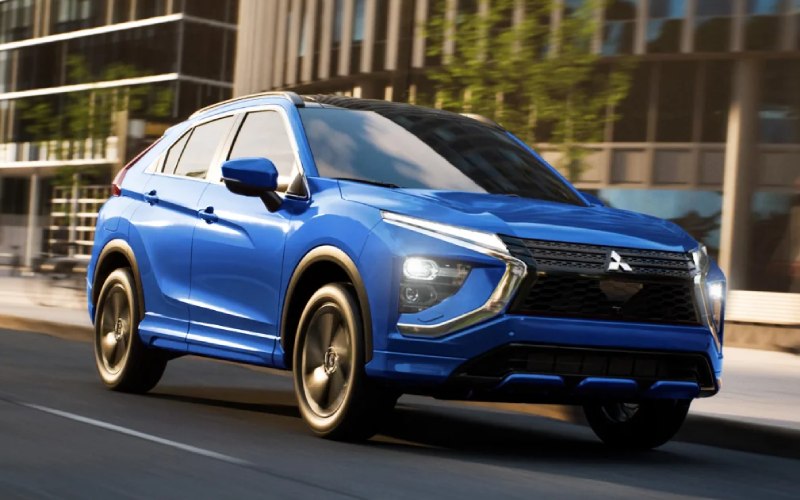
LaFontaine Mitsubishi Lansing – Mitsubishi vs Nissan SUV Confidence near Okemos, MI — Easier Snow-Day Pickups
Families around Okemos juggle tight cul-de-sac U-turns, early plow berms, and quick school pickups at Bennett Woods or Chippewa while navigating freeze-thaw pavement on Dobie and Jolly. Those daily realities shape how an SUV should behave more than any spec sheet alone. At LaFontaine Mitsubishi Lansing, we help shoppers compare Mitsubishi and Nissan across core SUV traits with one focus—how each brand handles the low-speed, low-traction, high-precision moments that define life near Meridian Township and the MSU corridor.
Rather than isolate a single trim or model year, this guide looks at the Mitsubishi SUV family—Outlander, Outlander PHEV, Eclipse Cross, and Outlander Sport—alongside comparable Nissan offerings in the same size classes. The goal is clarity for everyday use: confident snow starts at the stop sign by Hulett Road, calm lane-keeping on I-96 during a slushy commute, and stress-free angles into packed lots near Meridian Mall. Both brands build capable vehicles. The difference shows up in how traction, packaging, and driver assistance come together when conditions are less than perfect.
Start with traction thinking. Mitsubishi engineers calibrate available Super All-Wheel Control (S-AWC) on Outlander and Eclipse Cross to manage front-rear torque and side-to-side brake control, then layer in drive modes such as Snow and Gravel. That approach aims to help the SUV rotate predictably in tight, slippery spaces—like easing out of a glazed neighborhood roundabout—without feeling busy or abrupt at the wheel. Nissan Intelligent AWD focuses primarily on front-rear torque transfer and delivers solid confidence on straight-line launches and highway transitions. In the messy half-plowed lanes common along Grand River Avenue after a quick squall, Mitsubishi S-AWC tuning often feels reassuring during gentle steering corrections and mid-corner patches of slush.
Low-speed maneuverability matters just as much. Turning radii are competitive across both brands, but Mitsubishi’s steering feel—especially in Outlander and Eclipse Cross—pairs with S-AWC logic to help the vehicle settle smoothly when making those quick, near-lock turns in cul-de-sacs or angled driveways. That poised, “point and go” sensation is a small thing that becomes a big thing on a snowy morning when space is limited and traction is uneven.
Packaging is another everyday separator. Outlander delivers available three-row seating, an unusual benefit in the compact SUV class. That extra row becomes a difference-maker for occasional friend carpools to Okemos Community Education programs or last-minute team shuttles to Suburban Ice. Nissan’s comparable compact entries emphasize two-row comfort and cargo, so shoppers wanting flexible, occasional seven-passenger use frequently find Mitsubishi appealing. For daily routines, Outlander’s third row folds flat for a broad load floor—ideal for strollers, sports bins, and bulk grocery runs to Meridian Township stores—without making the vehicle feel oversized in neighborhood traffic.
Electrification changes the snow-day equation, too. Outlander Plug-in Hybrid Electric Vehicle (PHEV) combines twin-motor four-wheel traction with the ease of home charging. Many Okemos households can plug into a standard 120V outlet overnight for a typical day’s errands, then rely on gasoline for longer weekend drives to Lake Lansing or up US-127. Nissan offers compelling EV choices in a different part of the market, but no direct PHEV equivalent in the Outlander’s size class. For drivers who want all-weather traction plus quiet, electric commuting without committing to full-time public charging, Mitsubishi aligns neatly with real-world infrastructure.
Driver assistance is next. Available MI-PILOT Assist™ on select Mitsubishi models integrates adaptive cruise control with lane-centering assistance to reduce workload during those stop-and-go slogs by the Okemos Road interchange. The system’s calm steering support, paired with S-AWC traction at lower speeds when conditions deteriorate, promotes confidence across the full commute spectrum—dry, wet, and snowy. Nissan’s driver-assist technologies are also robust and widely respected in the industry. For drivers who prioritize a cohesive feel between traction control and assistance cues, Mitsubishi delivers a strong, integrated approach that shines on imperfect pavement and during transitional weather common in mid-Michigan.
Inside, Mitsubishi emphasizes clear sightlines, intuitive climate and drive-mode access, and supportive seating that helps on choppy winter surfaces. Available Dynamic Sound Yamaha® Audio in Outlander brings crisp imaging and vocal clarity—a pleasing partner for news and podcasts on early MSU drop-offs and warm, dynamic music playback for a late-night pickup from practice. Nissan counters with available premium audio solutions on upper trims as well. The difference is more about tonal preference than capability, but shoppers who appreciate natural-sounding vocals often enjoy the Yamaha® tuning.
Confidence does not stop at delivery. Our team at LaFontaine Mitsubishi Lansing supports Mitsubishi owners long after the first snow melt. Every Certified Pre-Owned Mitsubishi is reconditioned from top-quality candidates and includes 5 years or 60,000 miles of bumper-to-bumper coverage from the original sale date, plus 10 years or 100,000 miles of powertrain protection. For drivers who want backup plans that extend beyond the typical, that coverage adds meaningful peace of mind. Our service center maintains Mitsubishi models—and other makes—with genuine parts, modern diagnostics, and a team that understands Midwest wear patterns from potholes to corrosion.
Here is a quick, at-a-glance brand contrast tailored to tight turns, slush, and family logistics near Okemos. Think of it as a checklist for a winter-ready, neighborhood-friendly SUV.
- Drivetrain philosophy: Mitsubishi emphasizes S-AWC yaw control and multiple traction modes for stable rotation in low-grip, low-speed maneuvers; Nissan Intelligent AWD focuses on confident front-rear torque transfer that excels in straight launches and highway transitions.
- Winter modes: Mitsubishi offers Snow and Gravel modes on key SUVs to tailor throttle, shift mapping, and brake-based control; Nissan provides simple, effective AWD engagement calibrated for broad conditions without as much driver-selectable granularity in this class.
- Third-row flexibility: Mitsubishi Outlander offers available three-row seating for occasional seven-passenger needs; Nissan compact SUVs concentrate on two-row space, with three rows reserved for larger segments.
- Plug-in option: Mitsubishi Outlander PHEV enables at-home 120V overnight charging plus all-weather traction; Nissan does not offer a PHEV alternative in this size class.
- Driver assistance ethos: Mitsubishi’s available MI-PILOT Assist™ integrates smoothly with traction behavior for a calm commute on I-96 and Grand River Avenue; Nissan’s assistance tech is capable and familiar, with a slightly different tuning philosophy.
- Audio and calm: Mitsubishi’s available Dynamic Sound Yamaha® Audio delivers clear vocals and balanced staging for daily listening; Nissan offers premium audio options tuned for rich depth on select trims.
- Ownership backing: LaFontaine Mitsubishi Lansing supports Mitsubishi owners with a factory-trained service team and strong Mitsubishi CPO protections; our service department also assists other makes for convenience.
Still deciding between brands for a specific lifestyle? Consider this decision framework based on how most Okemos weeks actually unfold.
- Daily environment: If most miles involve neighborhood cul-de-sacs, angled driveways, and frequent snow berms, Mitsubishi’s S-AWC traction feel and steering poise can reduce effort at low speeds.
- Seating flexibility: For families needing occasional extra seats without moving up in size, Mitsubishi Outlander’s available third row brings welcome versatility.
- Charging reality: If an outlet in the garage and mixed driving are part of the plan, Mitsubishi Outlander PHEV blends weekday electric miles with weekend range confidence.
- Highway routine: For longer, steady-state commutes with fewer tight turns, both brands perform well; Mitsubishi’s available MI-PILOT Assist™ matches nicely with variable winter surfaces between Okemos and downtown Lansing.
- Service and support: If one-stop convenience for maintenance across household vehicles is important, our service team at LaFontaine Mitsubishi Lansing is ready for Mitsubishi and other makes.
Frequently Asked Questions:
Which Mitsubishi SUVs offer S-AWC for winter driving?
S-AWC is available on Mitsubishi Outlander and Eclipse Cross. Outlander Sport offers available All-Wheel Control (AWC) for confident traction in changing conditions.
Does MI-PILOT Assist™ help in snowy conditions around Okemos?
MI-PILOT Assist™ supports steering and speed in clearly marked lanes and should be used with driver attention at all times. In winter, it pairs well with Mitsubishi traction systems for a calmer overall drive on I-96 and surface streets, but the driver remains responsible for control.
Can I charge a Mitsubishi Outlander PHEV on a standard household outlet?
Yes. Many owners charge overnight on a 120V household outlet for typical daily errands. Level 2 charging can reduce charge time, but it is not required for everyday use.
Do Mitsubishi subcompact SUVs offer available all-wheel traction?
Yes. Outlander Sport offers available AWC. That availability is helpful for snow days and gravel pull-offs across Meridian Township.
Does LaFontaine Mitsubishi Lansing service other brands, including Nissan?
Yes. Our factory-trained technicians service Mitsubishi and other makes using modern diagnostics and genuine parts, helping households keep multiple vehicles on one convenient schedule.
For many shoppers near Okemos, Mitsubishi stands out because the engineering focus translates directly to the way a vehicle behaves in tight, slippery, real-world spaces. Available S-AWC takes the edge off snowy cul-de-sac turns, Outlander’s available third row adds practical flexibility, and Outlander PHEV brings electric calm to weekday errands without locking the household into a full EV lifestyle. Add available MI-PILOT Assist™ and Yamaha® Audio, and the daily-drive experience feels composed, quiet, and confident.
Visit LaFontaine Mitsubishi Lansing to experience the difference firsthand. Our team is ready to walk through traction modes in the lot, map a winter-friendly route around Meridian Township, and answer questions about charging, seating, or service. Bring the family, bring your gear, and put both brands through the same local paces—then choose the SUV that makes cul-de-sac mornings and snow-day pickups feel easy.
Request more 2025 Mitsubishi Eclipse Cross information
Mitsubishi vs Honda near East Lansing, MI — Campus-Ready Safety and Peace-of-Mind for MSU Families
LaFontaine Mitsubishi Lansing – Mitsubishi vs Honda near East Lansing, MI — Campus-Ready Safety and Peace-of-Mind for MSU Families
Choosing a vehicle for life around the Michigan State University campus involves more than a spec sheet. Between tight downtown parking on Grand River Ave, lake-effect snow days that glaze the bridge over the Red Cedar, and late-night pick-ups by Case Hall, MSU families need a small SUV or sedan that feels calm, confidence-inspiring, and connected. At LaFontaine Mitsubishi Lansing, we regularly meet shoppers comparing Mitsubishi to Honda, and our perspective is simple—both brands build smart, efficient vehicles, but Mitsubishi’s focus on all-weather traction, helpful in-cabin tech, and long-term peace-of-mind aligns especially well with East Lansing driving.
Brand to brand, the overlap is real: compact crossovers sized right for campus lots, driver-assistance essentials for I-496 and US-127, and flexible cargo holds for tailgate coolers and grocery runs to Frandor. Where Mitsubishi begins to separate is in how those fundamentals are tuned for Michigan. Super All-Wheel Control (S-AWC) is engineered for predictable grip when Grand River turns slushy, MI-PILOT Assist™ helps reduce fatigue during late-evening drives home toward Okemos or DeWitt, and Mitsubishi Connect adds the reassurance parents appreciate—remote door lock status, Vehicle Finder in busy lots, and SOS support if the unexpected happens. Add the available Yamaha® premium audio in the Outlander for a clear podcast or lecture replay between classes, and the daily routine feels easier.
Honda models offer refined manners and the well-known Honda Sensing suite, and many shoppers arrive leaning that way. It’s a fair comparison. For families centered near East Lansing, however, Mitsubishi’s available S-AWC traction hardware and practical touches—like an available Multi-View Camera System, Rear Cross Traffic Alert, and the Outlander’s available third row for impromptu game-day carpools—tend to deliver advantages that show up in real life, not just on paper.
To ground the decision in local driving, here is how we see common MSU-area scenarios play out for both brands, based on features you can actually use when winter sets in and campus gets busy.
- Snow on Grand River Ave: Mitsubishi SUVs with available S-AWC and Snow or Gravel modes deliver confident launches and stable cornering when plow ridges and polished ice build near crosswalks. Many Honda SUVs offer available AWD as well, but Mitsubishi’s system is tuned for proactive, all-surface traction that feels calm on slush.
- Late-night check-ins: With Mitsubishi Connect, parents can confirm doors are locked, locate a vehicle in a packed apartment lot off Hagadorn, or send an address to the car before a pick-up. Comparable connectivity is available on many brands, but Mitsubishi’s clear app experience adds real peace-of-mind during the semester.
- Game-day carpools: Mitsubishi Outlander offers an available third row for up to seven—handy for shuttling friends to Spartan Stadium. Honda’s popular compact SUVs focus on two rows, so if occasional extra seating matters, Mitsubishi keeps your options open.
- Parallel parking near campus: The available Multi-View Camera System and Rear Cross Traffic Alert make threading into a spot by the Union less stressful. Honda provides helpful camera and alert tech on many models too; Mitsubishi’s 360-degree perspective is especially reassuring in tight, foot-traffic-heavy zones.
- Weekend drives home: MI-PILOT Assist™ helps with smoother following gaps and gentle steering support on US-127 and I-96. Honda Sensing offers similar capabilities; many MSU-area drivers tell us Mitsubishi’s tuning feels natural, particularly in stop-and-go near the Trowbridge exit.
East Lansing’s shoulder seasons can switch from dry pavement at noon to sleet at sundown. This is where Mitsubishi’s traction approach stands out. S-AWC—short for Super All-Wheel Control—continuously optimizes torque and braking at each wheel, working with selectable drive modes so the SUV feels planted on pothole edges, bridge frost, and rutted snow. Depending on the model, modes like Snow and Gravel are available specifically to match Michigan’s dicey surfaces. Honda models with available AWD can certainly distribute power rearward for slip, but Mitsubishi’s focus on keeping the vehicle balanced mid-corner as conditions change is a confidence booster new MSU drivers quickly appreciate.
Safety tech is fundamental for student drivers, and both brands cover the essentials. Mitsubishi equips its SUVs with features such as Forward Collision Mitigation with Pedestrian Detection, Blind Spot Warning with Lane Change Assist, and Rear Cross Traffic Alert, along with the available MI-PILOT Assist™ suite. The way these systems communicate—clear alerts, intuitive steering support, and steady cruise adjustments—helps reduce the “startle factor” for newer drivers. Honda’s driver-assistance tech is well-regarded too. In our test drives around the Trowbridge and Howard intersections, Mitsubishi’s assist calibration feels especially composed when lane lines fade under light snow and slush.
Ownership confidence is another difference-maker. Mitsubishi backs its vehicles with long-term limited powertrain coverage for original owners—one of the most reassuring programs among mainstream brands. That matters for families planning to keep a vehicle beyond graduation or for grads who will rack up miles commuting from Lansing to Grand Rapids. For shoppers considering pre-owned, every Mitsubishi Certified Pre-Owned vehicle at our store is reconditioned from only the best candidates and carries 5 years or 60,000 miles of bumper-to-bumper coverage from the car’s original sale date, along with 10 years or 100,000 miles of powertrain protection. Our team will walk through program details and eligibility so expectations are crystal clear.
Cabin comfort and tech also matter when the temperature swings from single digits to a sunny thaw. Mitsubishi SUVs offer supportive seating, quick-to-heat cabins, and thoughtful touches like available heated steering wheels—small details that keep winter mornings civilized. The available Yamaha® audio system in the Outlander delivers crisp clarity for virtual lectures, campus news, or playlists on the drive down Mount Hope. Honda interiors are cleanly designed and comfortable, but if audio fidelity and quick winter warm-up are priorities, many East Lansing shoppers tell us Mitsubishi feels tailored to Michigan life.
We also think about the realities of campus parking and urban maneuvering. Mitsubishi’s small-car and small-SUV footprints—Mirage, Outlander Sport, and Eclipse Cross—are easy to slot into lots by STEM buildings or along Albert Ave. Clear outward visibility and available camera views calm the nerves when pedestrians step between snowbanks. Honda’s compact footprints are similarly friendly, but Mitsubishi’s combination of visibility and simple control layouts resonates with new drivers learning East Lansing’s rhythms.
To simplify your shortlist, here is a quick decision guide based on what we hear from MSU families at our showroom on S. Cedar St, just minutes from campus.
- If winter composure is your top priority: Choose a Mitsubishi SUV with available S-AWC and Snow/Gravel modes for balanced control on slush, bridge frost, and unplowed side streets.
- If you need occasional extra seats: Consider a Mitsubishi Outlander with an available third row for up to seven, ideal for game days and group projects.
- If remote reassurance matters: Look for Mitsubishi Connect features so you can check lock status, locate the vehicle, or send destinations from your phone.
- If you commute on US-127 or I-496: Test MI-PILOT Assist™ to experience calm, consistent support in traffic and during long evening drives.
- If you are shopping pre-owned: Ask about Mitsubishi Certified Pre-Owned coverage for bumper-to-bumper and powertrain protection that supports long-term plans.
Finally, service and support count. Our factory-trained technicians at LaFontaine Mitsubishi Lansing work on every Mitsubishi model—plus other makes—using genuine parts. We understand East Lansing driving and set maintenance plans around Michigan conditions. Whether it is an oil change before midterms, tire rotations after a tough winter, or a brake inspection ahead of a spring break road trip, our service team keeps you rolling with transparency and speed.
Frequently Asked Questions:
How does S-AWC differ from typical AWD when East Lansing roads get slick?
S-AWC is designed to manage torque and braking at each wheel to maintain stability as grip changes, not just to send power rearward after slip occurs. On slushy Grand River Ave or when hitting frost on the overpass, that proactive balance helps the vehicle track straight with fewer steering corrections.
Can a Mitsubishi SUV really seat seven for MSU game days?
Yes. The Mitsubishi Outlander offers an available third row, allowing seating for up to seven. It is great for quick carpools to Spartan Stadium or group grocery runs. When not needed, the third row folds to create a flat load floor.
What does Mitsubishi Connect offer for student drivers and parents?
Mitsubishi Connect can enable features such as remote door lock/unlock, Vehicle Finder, and SOS assistance. It is a practical way to confirm status from your phone, locate a vehicle in a crowded lot, or get help quickly if the unexpected happens.
Is the Mitsubishi Certified Pre-Owned program available at LaFontaine Mitsubishi Lansing?
Yes. Every Mitsubishi Certified Pre-Owned vehicle we sell is carefully selected and reconditioned, and coverage includes 5 years or 60,000 miles of bumper-to-bumper protection from the original sale date, plus 10 years or 100,000 miles of powertrain protection. Our team will review eligibility and model specifics with you.
Which Mitsubishi models should MSU-area shoppers test-drive for campus life?
For easy parking and winter confidence, start with the Outlander Sport or Eclipse Cross. If you want available seating for up to seven and advanced tech, the Outlander is a strong fit. We can help you compare features side by side near East Lansing to match your routine.
Our goal is to make the choice straightforward and supportive. If you are weighing Mitsubishi against Honda for a student driver or a family vehicle near East Lansing, MI, we invite you to experience the difference that S-AWC confidence, MI-PILOT Assist™, Mitsubishi Connect convenience, and long-term coverage can make. Visit LaFontaine Mitsubishi Lansing at 5103 S Cedar St in Lansing—minutes from campus—or call 517-325-5195. We will set up a focused test drive route that includes downtown traffic, a stretch of US-127, and a few lumpy side streets so you can feel the composure that matters during a Michigan semester.
Request more 2026 Mitsubishi Eclipse Cross information
Mitsubishi vs Toyota for Charge-and-Traction Confidence on Winter Commutes near Okemos, MI
LaFontaine Mitsubishi Lansing – Mitsubishi vs Toyota for Charge-and-Traction Confidence on Winter Commutes near Okemos, MI
Mid-Michigan driving asks a lot from a family SUV, especially around Okemos where a weekday can include an early school drop-off on Okemos Road, a stop-and-go hop along Grand River Avenue, and a slushy merge onto US-127. At LaFontaine Mitsubishi Lansing, we meet shoppers who are comparing Mitsubishi to other familiar names. One of the most common cross-shops is Toyota, and for good reason—both brands build dependable, efficient vehicles. If your daily routine includes winter weather, tight parking at Meridian Mall, and the desire to trim fuel stops with some electric driving, here is a clear, real-world look at how Mitsubishi stacks up against Toyota across the SUV landscape without limiting the conversation to just two models.
Mitsubishi focuses on right-sized SUVs and an accessible path to electrification that still prioritizes all-weather control. The lineup includes the Mitsubishi Outlander and Outlander PHEV, the agile Eclipse Cross, and the city-friendly Outlander Sport—each available with All-Wheel Control (AWC) or Super-All Wheel Control (S-AWC) to help handle ice-slick residential streets and wind-swept freeway bridges. Toyota’s SUV family is broad and includes multiple hybrid choices across sizes. Both brands offer modern driver assistance suites and smartphone connectivity. The difference is in how those features come together for Mid-Michigan routines—particularly when the forecast shifts from rain to freezing rain by lunchtime.
Let’s start with traction, because confidence in January matters as much as comfort in June. Mitsubishi’s S-AWC is a standout in the compact and midsize SUV classes. Rather than simply moving power front to back, S-AWC can coordinate yaw control and brake-based torque vectoring to help you track cleanly through an icy roundabout or a rutted, plowed intersection. Drive modes—such as Snow and Gravel on many Mitsubishi SUVs—are tuned for real surfaces you actually encounter between Jolly Road and Hamilton Road. Toyota’s available AWD systems are effective and widely offered, but they typically emphasize on-demand engagement. Mitsubishi’s approach feels more cohesive in low-grip conditions, giving a reassuring, planted feel as surfaces change underfoot.
Now consider the growing interest in electrification for local errands and commutes to downtown Lansing. Mitsubishi’s Outlander PHEV offers plug-in electric driving with an advantage families in Okemos can use: DC fast-charging capability through CHAdeMO. On a compatible DC Fast Charger, you can add a significant charge—often to 80 percent in roughly 38 minutes under ideal conditions—during a grocery run or while waiting at a weekend practice near Lake Lansing. Toyota’s comparable plug-in offerings deliver strong efficiency, but they generally do not include DC fast-charging. For mixed winter schedules when cabin heat is essential and your time is tight, that quick-charge flexibility is a meaningful everyday benefit.
Cabin practicality is another place where Mitsubishi meets Mid-Michigan life head-on. Outlander models offer an available third row, giving you the option to carry extra teammates to Suburban Ice or fold seats flat for a Costco haul. Many compact SUVs in Toyota’s lineup do not offer three-row flexibility, steering you into a larger footprint if you want seven seats. Mitsubishi’s interiors in recent model years also stand out for their calm, quiet ride—welcome on concrete stretches of I-496—and thoughtful details like a split-folding second row that makes it easy to balance passengers and bulky strollers.
Technology deserves more than a spec-sheet glance because how features work on Grand River Avenue in February is what you will remember. Mitsubishi equips many SUVs with MI-PILOT Assist™—a system designed to help ease fatigue with features such as steering support and adaptive cruise in highway and stop-and-go settings. It pairs naturally with Forward Collision Mitigation, Blind Spot Warning, and a handy Multi-View Camera System that reduces stress in tight, snow-hemmed parking lots. Toyota’s safety suite is also comprehensive and widely available. The difference our guests notice in test drives is how intuitively MI-PILOT Assist™ eases the crawl over the Red Cedar River bridge when traffic compresses, and how clearly the driver displays communicate what the systems are doing.
If you appreciate immersive audio on your commute to East Lansing or weekend drives to Sleepy Hollow State Park, select Mitsubishi Outlander models offer Dynamic Sound Yamaha® premium audio, tuned for clarity at conversation-friendly volumes. That everyday refinement pairs well with supportive seating and straightforward controls that are easy to use with gloves in winter. Toyota also brings strong infotainment options, but the Yamaha® system’s natural, low-fatigue sound is a feature music lovers consistently call out after a demo in our showroom.
Long-term peace of mind matters in any Michigan climate, and Mitsubishi supports that with a strong warranty program. Many new Mitsubishi vehicles include a 10-year/100,000-mile powertrain limited warranty for the original owner and a 5-year/60,000-mile new vehicle limited warranty. Toyota provides solid coverage, but it is generally shorter on the powertrain side. For families planning to keep a vehicle over a decade of seasonal changes, that additional coverage can be reassuring—especially with the freeze-thaw cycles and potholes that mark spring in Meridian Township.
For shoppers building a short list, here is a quick way to align your routine with each brand’s strengths and identify where Mitsubishi may be the better fit around Okemos.
- All-weather traction feel: If winter grip and composure on slush-crowned lanes is your top priority, Mitsubishi’s S-AWC tuning delivers confident stability through transitions and turns.
- Charge-on-the-go flexibility: Need quick top-ups between errands? Outlander PHEV’s available DC fast-charging capability adds useful miles rapidly on compatible chargers around Greater Lansing.
- Third-row versatility in a right-sized footprint: Want occasional seven-passenger seating without moving to a larger SUV? Mitsubishi Outlander makes it possible.
- Calm cabin and clear tech: Prefer intuitive driver assistance and low-fatigue audio for daily I-96 or US-127 commutes? Mitsubishi’s MI-PILOT Assist™ and available Dynamic Sound Yamaha® audio create an easygoing drive.
- Warranty confidence for the long haul: Planning to keep your SUV through many Michigan winters? Mitsubishi’s long powertrain coverage provides added peace of mind.
To make the choice even easier, follow a simple decision path that matches how you actually drive between Okemos, East Lansing, and downtown Lansing.
- Map your week: List your regular routes—school drop-off on Okemos Road, a midweek run down Grand River Avenue, and weekend trips up US-127—to clarify needs for traction, range, and parking ease.
- Decide your power plan: If you can plug in at home and want electric miles without range anxiety in cold snaps, consider Mitsubishi’s Outlander PHEV for its quick-charge capability.
- Count seats and cargo: If carpools or extra riders pop up often, Mitsubishi’s available third row can save you from upsizing.
- Test winter-ready tech: Experience MI-PILOT Assist™ and S-AWC in back-to-back drives on the same local roads to feel the difference in steering support and traction.
- Think long-term: Factor in warranty coverage and our service support for alignment checks after pothole season or software updates for driver assistance systems.
At LaFontaine Mitsubishi Lansing, we recommend driving the vehicles on the exact streets you use most—Grand River Avenue’s traffic waves, the stop signs near Central Park Drive, and the freeway on-ramps by Trowbridge Road. You will notice how smoothly Mitsubishi SUVs handle patchy plow lines and how settled they feel when snow conceals lane markings. If an electrified routine is on your mind, we are happy to walk you through home charging basics and show you how to locate compatible public chargers when you are out near campus or downtown.
Frequently Asked Questions:
How does S-AWC differ from typical AWD on snowy Okemos roads?
S-AWC can coordinate front-rear torque with brake-based torque vectoring and stability inputs to help you hold your line on mixed-traction surfaces. The result is a planted, predictable feel through slushy turns and uneven plow ridges you regularly encounter around Meridian Township.
Can I get a third row without moving up to a large SUV?
Yes. Mitsubishi Outlander offers an available third row in a right-sized footprint, making it easier to park at Meridian Mall or in tighter neighborhood driveways while still accommodating extra riders when needed.
Is DC fast-charging useful for daily life here?
For many drivers, yes. With compatible DC Fast Chargers in the Greater Lansing area, Outlander PHEV can add a meaningful charge—often to 80 percent in about 38 minutes under ideal conditions—handy during a grocery stop or while attending a local event. We can help you identify nearby stations and plan a simple home-charging routine.
What driver assistance tech should I try on a test drive?
Experience MI-PILOT Assist™ in stop-and-go traffic and at highway speeds, then test the Multi-View Camera System in a tight parking lot. Pair that with a run on snow-covered side streets to feel how S-AWC manages traction changes.
Who services Mitsubishi driver assistance and AWD systems?
Our factory-trained technicians at LaFontaine Mitsubishi Lansing handle diagnostics, calibrations, and software updates using genuine Mitsubishi parts and the latest tools. Whether it is routine maintenance or a post-winter alignment check, our service team keeps your SUV performing its best.
If you are weighing Mitsubishi against Toyota for life near Okemos, start with what your week demands—electric miles you can actually use, winter traction that inspires confidence, and seating that adapts to carpool surprises. Our team at LaFontaine Mitsubishi Lansing is ready to set up back-to-back drives, walk you through MI-PILOT Assist™, and demonstrate DC fast-charging on compatible equipment so you can decide with clarity. Visit us on S Cedar Street, call 517-325-5195, or schedule a test drive online. We look forward to helping you find the Mitsubishi that fits your Mid-Michigan routine with confidence all year long.
Request more 2026 Mitsubishi Outlander information
Mitsubishi vs Subaru: Who Wins DeWitt, MI Winters?
LaFontaine Mitsubishi Lansing – Mitsubishi vs Subaru: Who Wins DeWitt, MI Winters?
For families and commuters around DeWitt, MI, the daily rhythm is a mix of quick school drop-offs, a hop onto US-127 or I-69 toward Lansing, and weekend detours to Sleepy Hollow State Park or Lake Lansing South. In these real-world routines, confidence over slushy intersections, traction on gravel cut-throughs, and a calm, well-organized cabin matter just as much as horsepower. As your local team at LaFontaine Mitsubishi Lansing, we compare Mitsubishi SUVs with Subaru’s lineup through that specific lens — backroads and school-run winters — so you can decide which brand aligns best with your driveway, your routes, and your family’s habits.
Both brands have a reputation for all-weather capability, but their approaches differ. Subaru emphasizes Symmetrical All-Wheel Drive with X-MODE off-road settings across many models. Mitsubishi focuses on All-Wheel Control (AWC) and available Super-All Wheel Control (S-AWC), which integrates selectable drive modes with brake-based torque vectoring logic to help the vehicle pivot and track cleanly on low-grip surfaces. On familiar DeWitt surfaces — like frozen bridge decks over the Looking Glass River, rutted residential streets near Herbison Road, and snow-plowed shoulders along Business US-127 — these distinctions can shape how your SUV feels when you need quick, predictable responses.
Here is the bigger difference that many shoppers overlook: Mitsubishi offers three distinct SUV sizes with available AWC or S-AWC — Outlander (including Outlander Plug-in Hybrid), Eclipse Cross, and Outlander Sport — plus the Outlander’s available third row. Subaru counters with Ascent, Outback, Forester, and Crosstrek, all with available or standard AWD but strictly two-row seating in comparable sizes. If you are juggling car seats, a hockey bag, and a last-minute carpool around DeWitt High School, that extra pair of seats in the Outlander can be a day-saver.
On those slick winter mornings when you leave early to beat MSU traffic into downtown Lansing, Mitsubishi’s available S-AWC stands out for its balanced, connected feel. In Snow or Gravel mode, S-AWC can modulate power delivery and apply individual-wheel braking to help the vehicle rotate into a turn and track straight out of it. That translates to fewer steering corrections when you tip-toe through a powder-covered roundabout or transition from plowed to unplowed lanes on Airport Road. Subaru’s Symmetrical AWD is exceptionally stable as well, with a mechanical, always-on character many drivers appreciate; X-MODE adds low-speed traction logic for steep or slippery surfaces. In back-to-back drives, customers often tell our team that Mitsubishi’s steering corrections feel lighter and more intuitive when lane conditions change suddenly — exactly what happens as plow lines drift or a shaded patch stays icy past noon.
Cabin flexibility is another everyday difference. The Mitsubishi Outlander offers an available third row in a compact footprint, giving you two extra seats for short hops. Is it the row you want for adult road trips? Probably not — but for a five-minute ride from the fields at Valley Farms Park to a post-game treat, that flexibility keeps your week moving. Subaru’s comparable two-row models excel in cargo openness but do not provide the extra seating option in this class. For families needing full-time third-row space, Subaru’s Ascent is a capable 3-row alternative; however, many DeWitt households appreciate that the Outlander can flex from two to three rows as needed without moving up to a larger footprint.
When winter arrives in earnest, comfort features and tech that reduce daily friction really matter. Mitsubishi Connect enables remote start and cabin pre-conditioning on properly equipped models — clutch when temperatures dip overnight and you would rather warm the cabin and defrost the glass from your kitchen. Subaru offers similar smartphone-based conveniences on many models. Both brands offer heated seats and steering wheel options, but Mitsubishi’s available MI-PILOT Assist™ in the Outlander pairs Adaptive Cruise Control with lane centering to smooth highway drags along I-69, especially during those long, steady commutes between DeWitt and downtown Lansing when traffic pulsates between 40 and 65 mph as the weather changes.
The daily soundtrack can help you keep calm too. Mitsubishi’s available Dynamic Sound by Yamaha® Audio in select Outlander trims delivers clear, low-distortion balance at family-friendly volumes. Whether you are listening to road reports on 94.9 FM or keeping the crew focused with a favorite podcast during a wet flurry on westbound I-96, the clarity is a pleasant surprise in this segment. Subaru systems offer solid audio as well, and some trims include premium upgrades — but if sound quality matters to you, the Yamaha® tuning in the Outlander is a differentiator worth test-driving.
Durability and long-term peace of mind also influence a smart winter-ready choice. Mitsubishi stands out with a 10-year/100,000-mile powertrain limited warranty for the original owner and a 5-year/60,000-mile new vehicle limited warranty, plus 5-year roadside assistance. Subaru’s coverage is solid yet shorter for most categories by comparison. If you plan to keep your SUV through multiple DeWitt winters, that extended Mitsubishi warranty can be the deciding factor — and our service center in Lansing backs it with factory-trained technicians, genuine Mitsubishi parts, and convenient online scheduling.
To help your decision come into focus, consider the following snapshots based on what our customers around DeWitt ask us most.
- Winter turn-in feel: Mitsubishi S-AWC emphasizes confident corner entry and exit with drive-mode tuning and brake-based torque control that can help reduce mid-corner corrections on patchy ice.
- Everyday stability: Subaru’s Symmetrical AWD provides a constant, predictable power flow that many drivers like for straight-line, low-drama tracking in mixed slush and rain.
- Seating flexibility: Mitsubishi Outlander offers an available third row in a compact class — useful for occasional extra passengers without upsizing vehicles.
- Remote comfort: Mitsubishi Connect can pre-heat or pre-cool the cabin on properly equipped vehicles, helpful during frosty DeWitt mornings or humid, stormy afternoons.
- Driver-assistance on I-69: MI-PILOT Assist™ in the Outlander supports lane centering and adaptive cruise in highway traffic; Subaru EyeSight provides a robust suite of driver-assist features across most models.
- Audio clarity: Available Yamaha® Audio in the Outlander delivers standout balance and definition at everyday volumes.
- Long-term coverage: Mitsubishi’s limited warranty terms are longer for the original owner, supporting confidence through many Michigan winters.
Of course, paper comparisons are just the start. Real traction confidence is felt in your hands and seat — how the wheel weights up as you cross plow berms on Old US-27, how the transmission and throttle respond as you merge onto US-127 with lingering slush, and how stable the cabin feels when a crosswind meets a wet surface. At our store, we encourage back-to-back drives over the exact roads you use, including a stretch with imperfect pavement and a few right-angle turns, so you can test how each brand behaves where it matters.
If you are zeroing in on fuel versatility for winter errand loops, it is worth considering the Outlander Plug-in Hybrid. Its electric driving capability paired with available S-AWC makes short, local trips efficient without sacrificing all-weather confidence. Subaru’s current lineup lacks a plug-in hybrid SUV in this size class, so if plugging in at home fits your lifestyle — especially for those 3 to 10-mile DeWitt runs — Mitsubishi gives you an option that blends traction and electrified daily driving in one package.
Buying a family SUV is more than a spec-sheet decision. It is about predictability in messy weather, seats that match your weekly headcount, and a service partner you trust. Our team at LaFontaine Mitsubishi Lansing backs your ownership with clear financing guidance, genuine Mitsubishi parts, and factory-trained care — from tire rotations and brake work to software updates that keep driver-assistance features operating at their best. If you want to talk through AWC vs S-AWC, the benefits of MI-PILOT Assist™, or how the Outlander’s third row fits your routine, we are ready with keys and real roads.
In short: Subaru remains a strong all-weather competitor with technology many drivers appreciate. But for DeWitt-area families balancing school routes, snowy shoulders, and the occasional carpool overflow, Mitsubishi’s blend of S-AWC confidence, available compact-class third-row seating, thoughtful winter conveniences, and longer warranty coverage often makes the daily difference you can feel as soon as the forecast turns.
Frequently Asked Questions:
Which Mitsubishi SUVs offer S-AWC for winter driving around DeWitt?
Outlander and Eclipse Cross offer available S-AWC on select trims, while Outlander Sport offers available AWC. S-AWC adds drive modes and brake-based torque control designed to help maintain traction and directional stability on snow, slush, and gravel.
Does the Mitsubishi Outlander really offer a third row in this class?
Yes, the Outlander offers an available third row in a compact footprint, providing seating flexibility for families who occasionally need two extra spots without stepping up to a larger vehicle. Seating availability can vary by trim — our team can walk you through configurations.
How does MI-PILOT Assist™ help on I-69 and US-127?
MI-PILOT Assist™ combines Adaptive Cruise Control with lane-centering assistance to help reduce fatigue in steady highway traffic. It is especially helpful on long, lightly curving stretches where speeds fluctuate with weather and congestion. Always remain attentive and be prepared to take full control.
Can I pre-heat or pre-cool my Mitsubishi from home during DeWitt winters?
On properly equipped models, Mitsubishi Connect allows you to start the vehicle and adjust climate settings from your smartphone. That means you can warm the cabin and defrost the windshield before stepping outside.
What warranty coverage does Mitsubishi provide for long-term peace of mind?
Mitsubishi offers a 10-year/100,000-mile powertrain limited warranty for the original owner and a 5-year/60,000-mile new vehicle limited warranty, plus roadside assistance. If you are considering Certified Pre-Owned, Mitsubishi CPO coverage includes 5 years or 60,000 miles of bumper-to-bumper coverage from the vehicle’s original sale date, along with 10 years or 100,000 miles of powertrain protection.
Ready to see how Mitsubishi feels on your own routes? Our team at LaFontaine Mitsubishi Lansing will tailor a test drive that includes the roads you actually use around DeWitt — a few stop signs, a highway merge, and a stretch of less-than-perfect pavement — so you can experience AWC or S-AWC where it matters. We are here with flexible financing options, expert service support, and a lineup built for Michigan weather and family life.

